

Architecture4 min read
SaaS Scalability: How to Prepare for 10x Growth
How to prepare a SaaS product for 10x more customers by removing the bottlenecks that break first—data, noisy neighbors, and work that should be queued.
2026-10-20
Latest articles from Kushagra Infotech Services.
How to prepare a SaaS product for 10x more customers by removing the bottlenecks that break first—data, noisy neighbors, and work that should be queued.
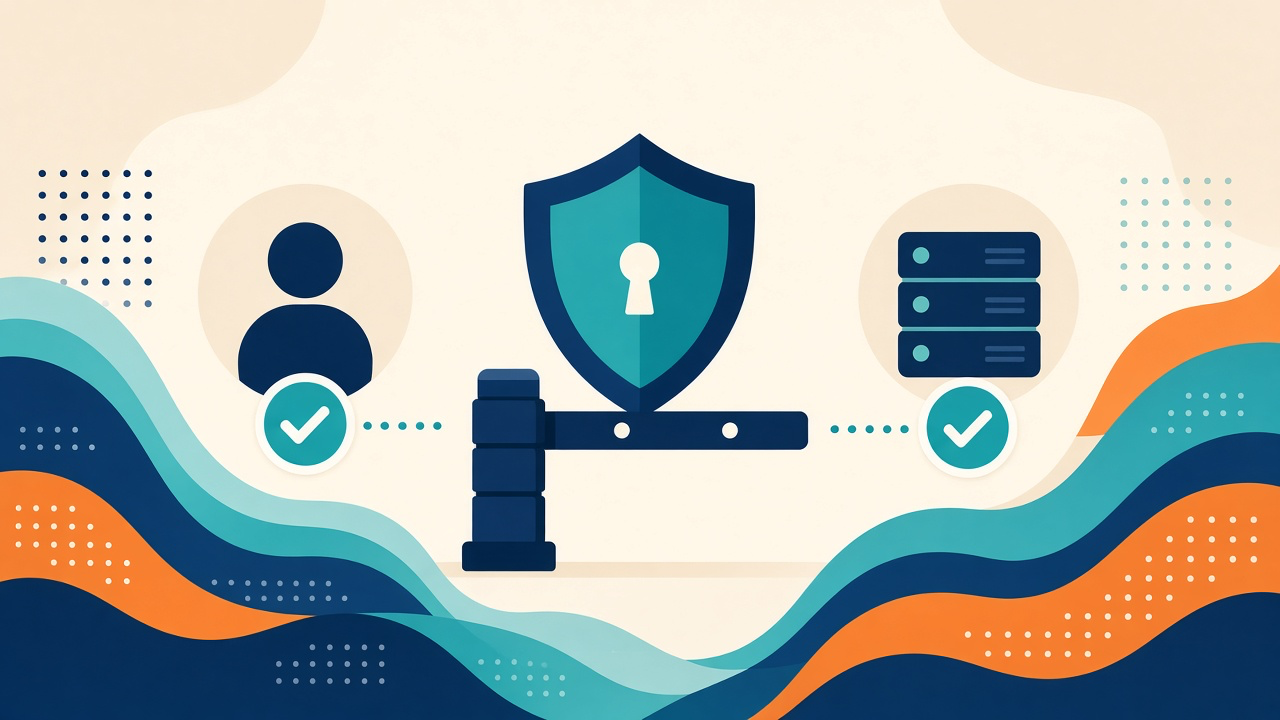
How zero trust applies to FinTech systems—verify every request, limit blast radius, and treat the internal network as untrusted.

How to build observability into distributed systems with structured logs, metrics, traces, and alerts that point to a cause instead of a pile of noise.
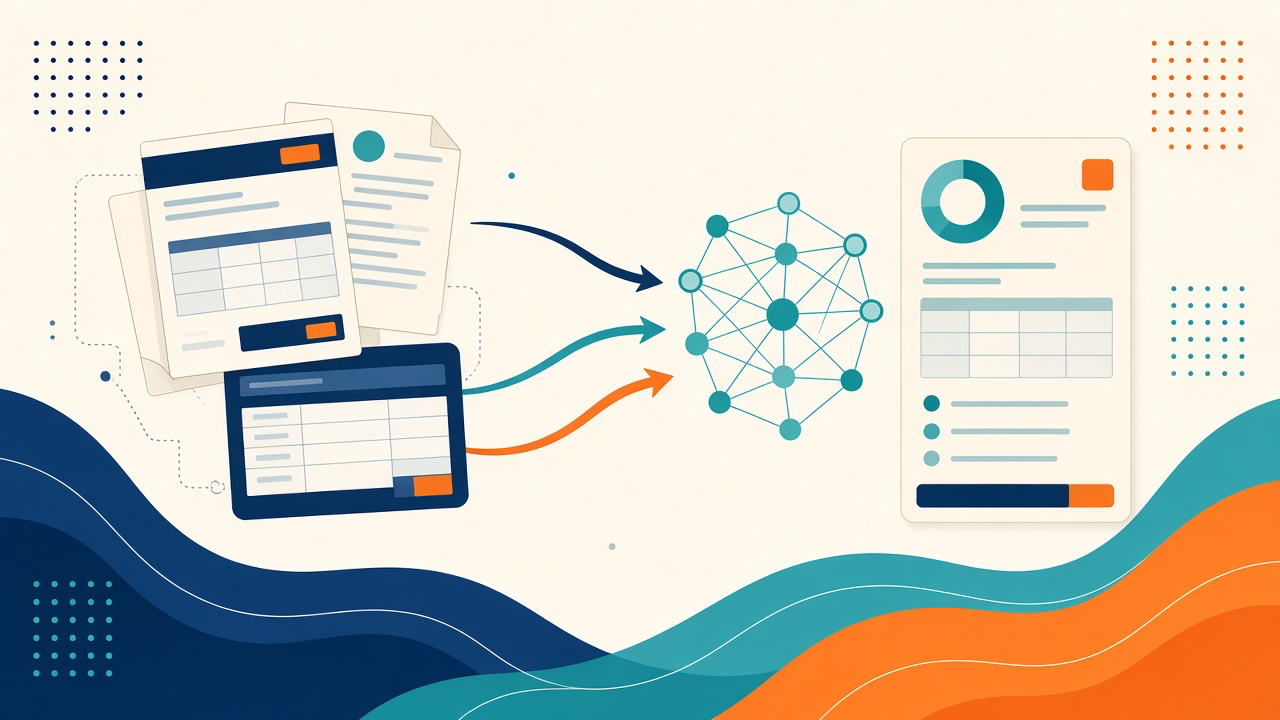
Where generative AI helps finance and FinTech operations—exception summaries, document drafts, and support answers—and where a human must still decide.
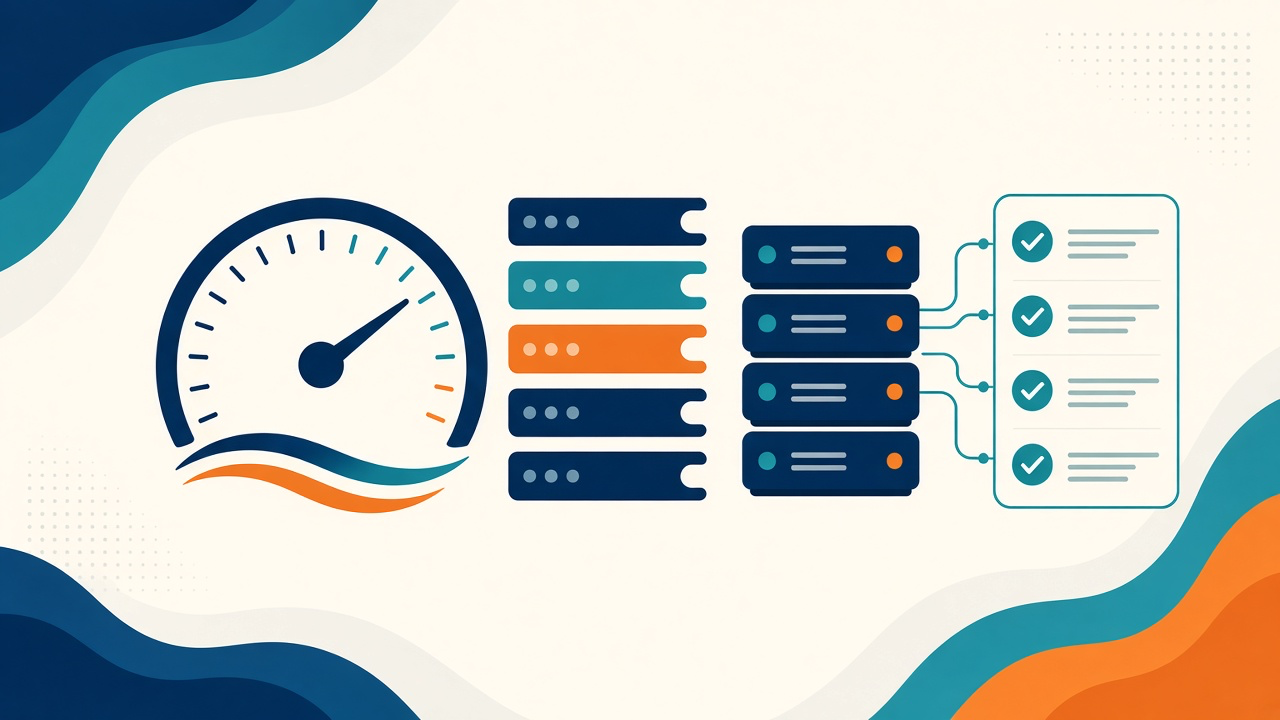
How to performance-test high-volume payment flows so latency, throughput, and failure behavior are known before a peak day hits production.
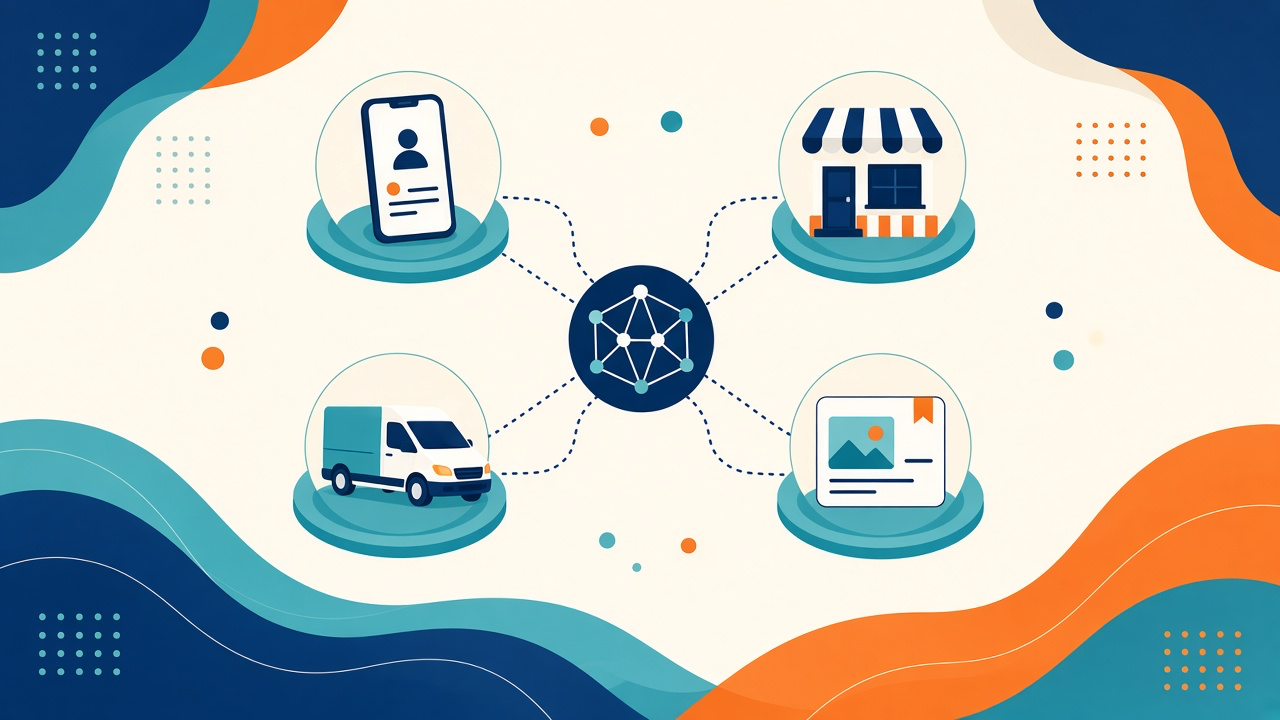
How ONDC works as an open commerce network—buyer apps, seller apps, and logistics connected by a shared protocol instead of one closed marketplace.
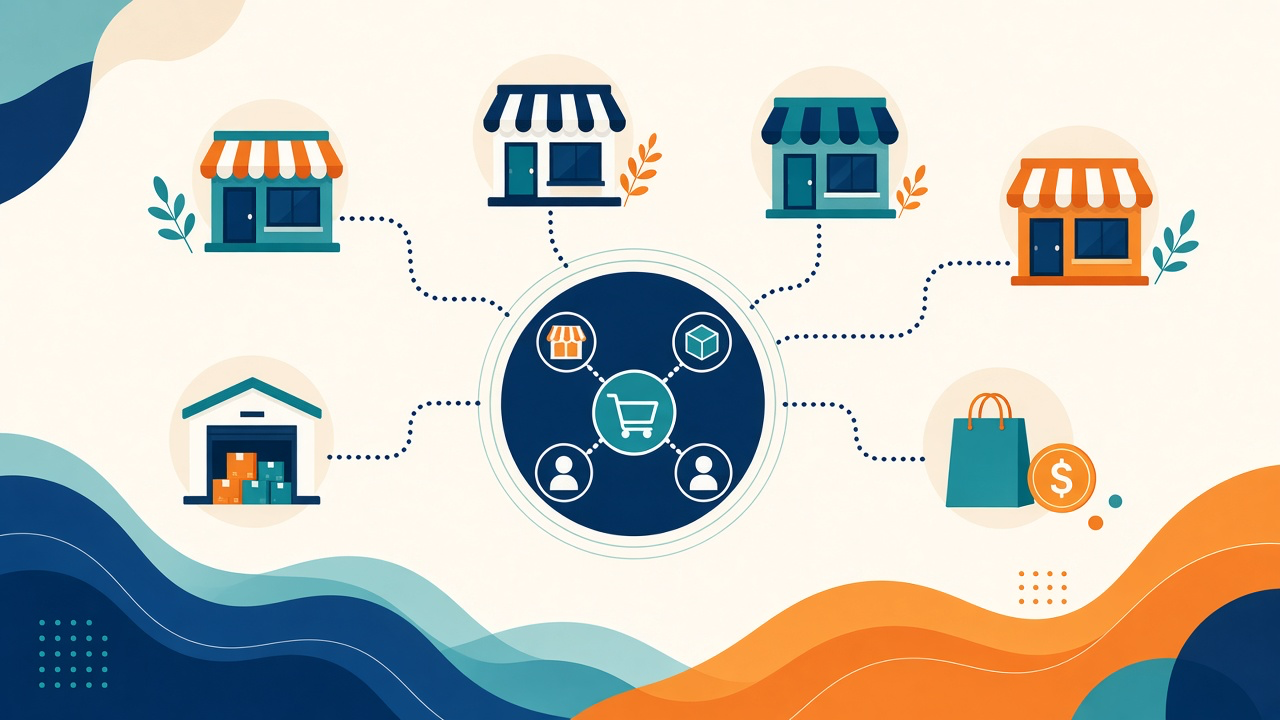
The architecture of a multi-vendor marketplace—catalog, order split, commissions, payouts, and the boundaries that keep one seller from affecting another.
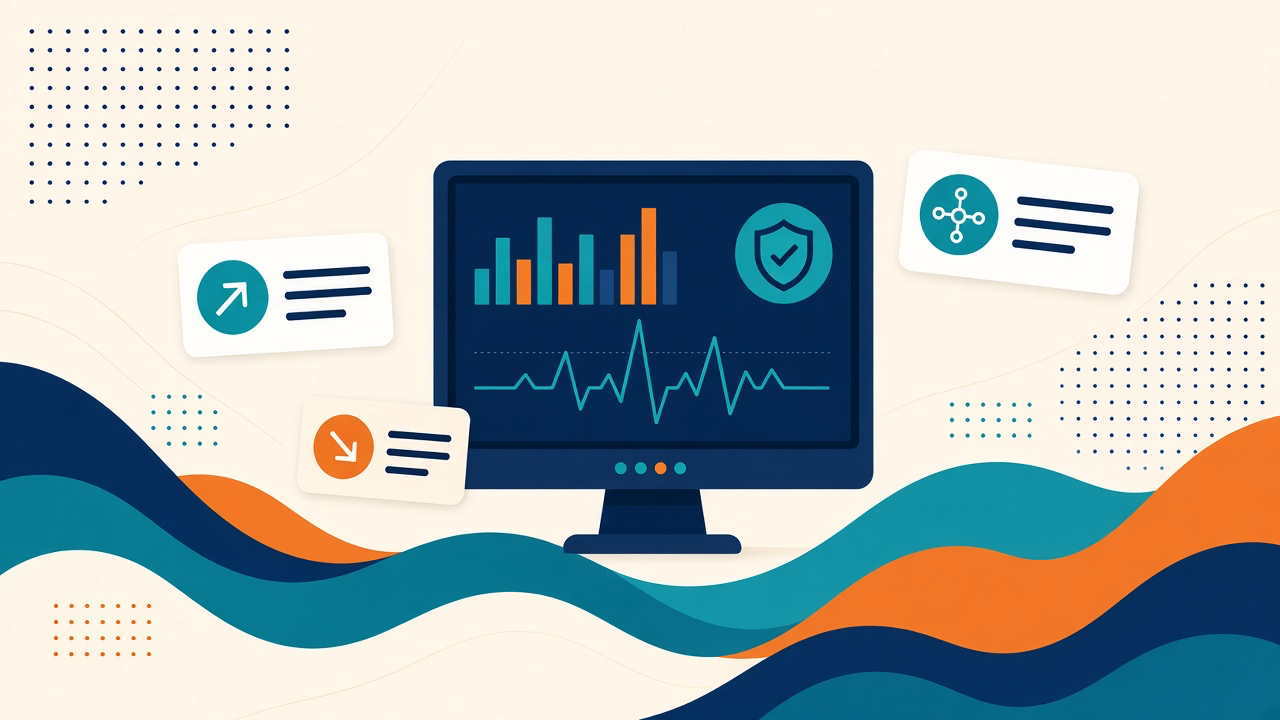
How to monitor FinTech transactions as they happen so ops can see failures, risk signals, and latency without waiting for the next reconciliation file.

How to design EDI maps that survive partner-specific rules, version changes, and bad data—using a canonical model, validation, and controlled releases.
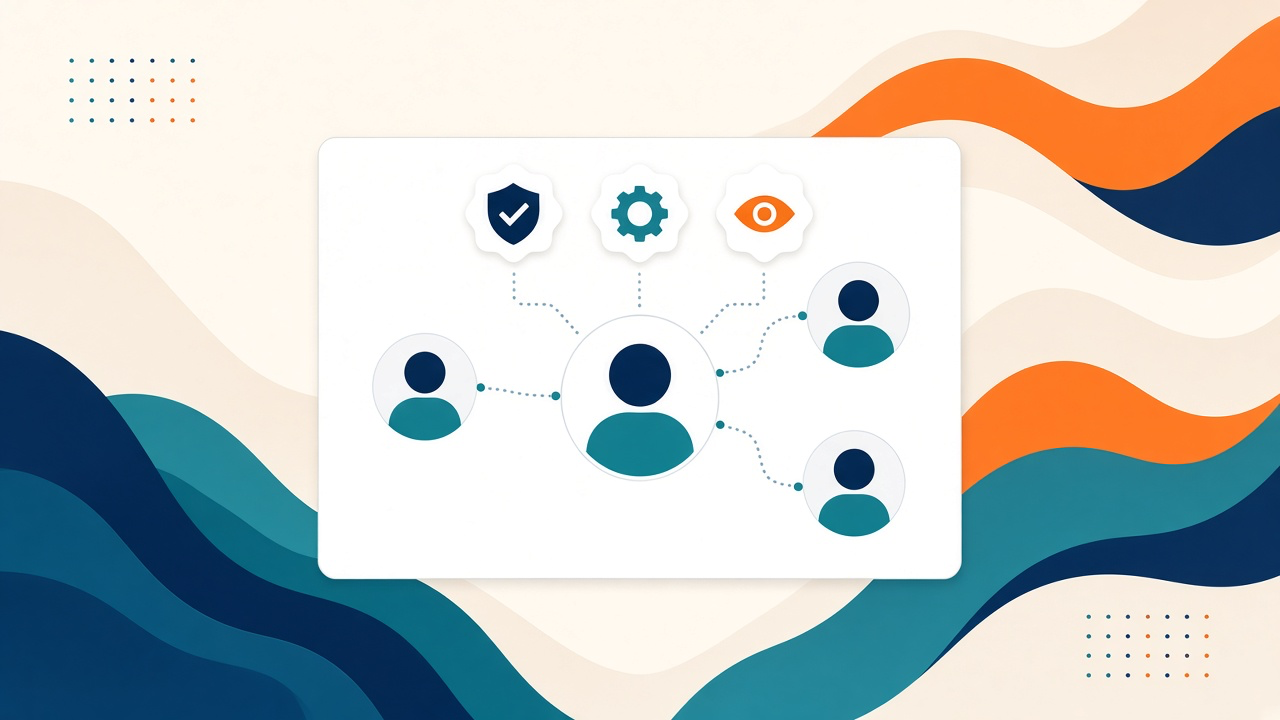
How to design role-based access for a multi-tenant SaaS product so each customer controls permissions without you shipping a custom role per deal.
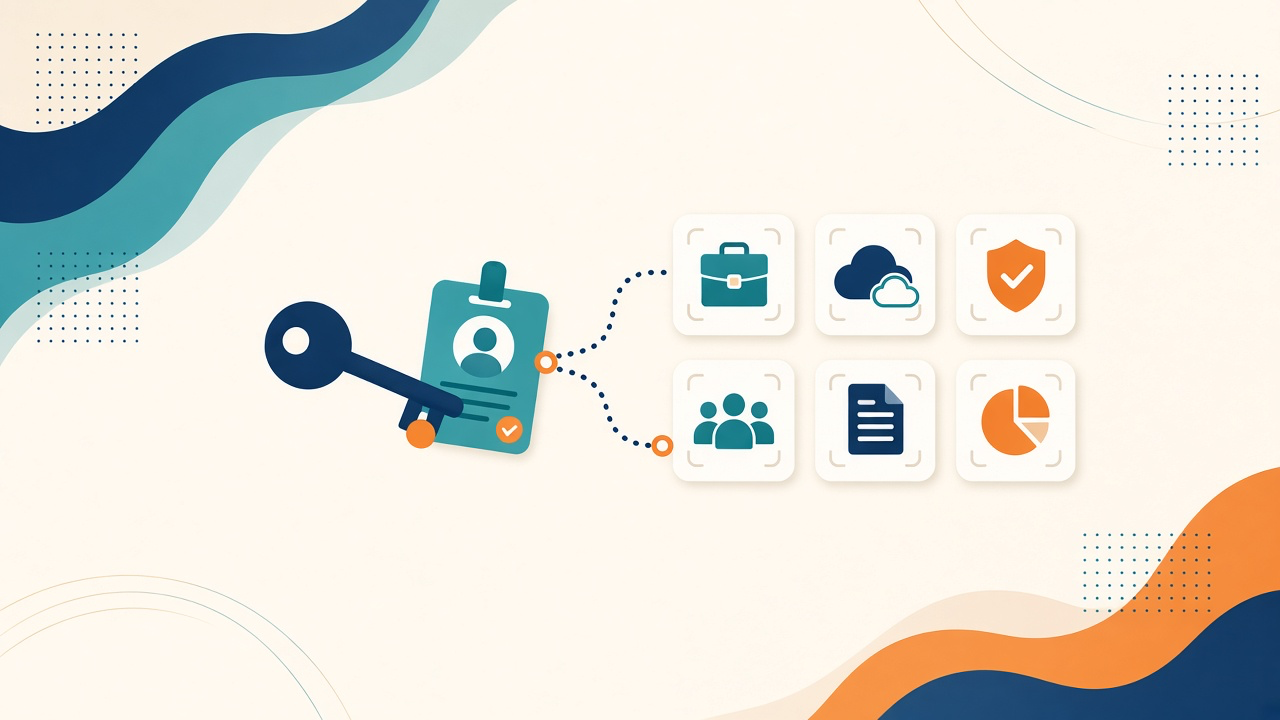
How enterprise single sign-on works—one identity login, an app session, and the checks that keep a departed employee out of every system.
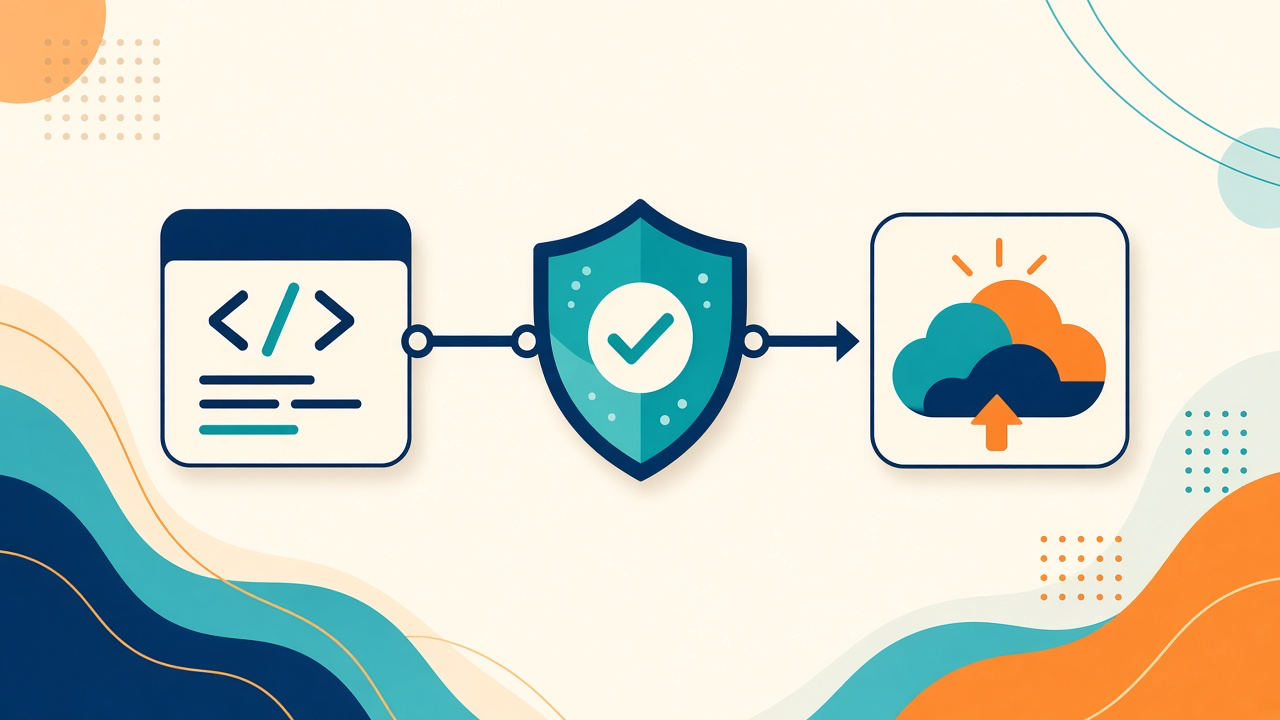
How to run CI/CD for FinTech apps when payments, migrations, and secrets cannot follow a generic deploy pipeline.

How AI changes financial transaction monitoring—from fixed thresholds to ranked alerts, clearer case context, and faster review without moving money on its own.
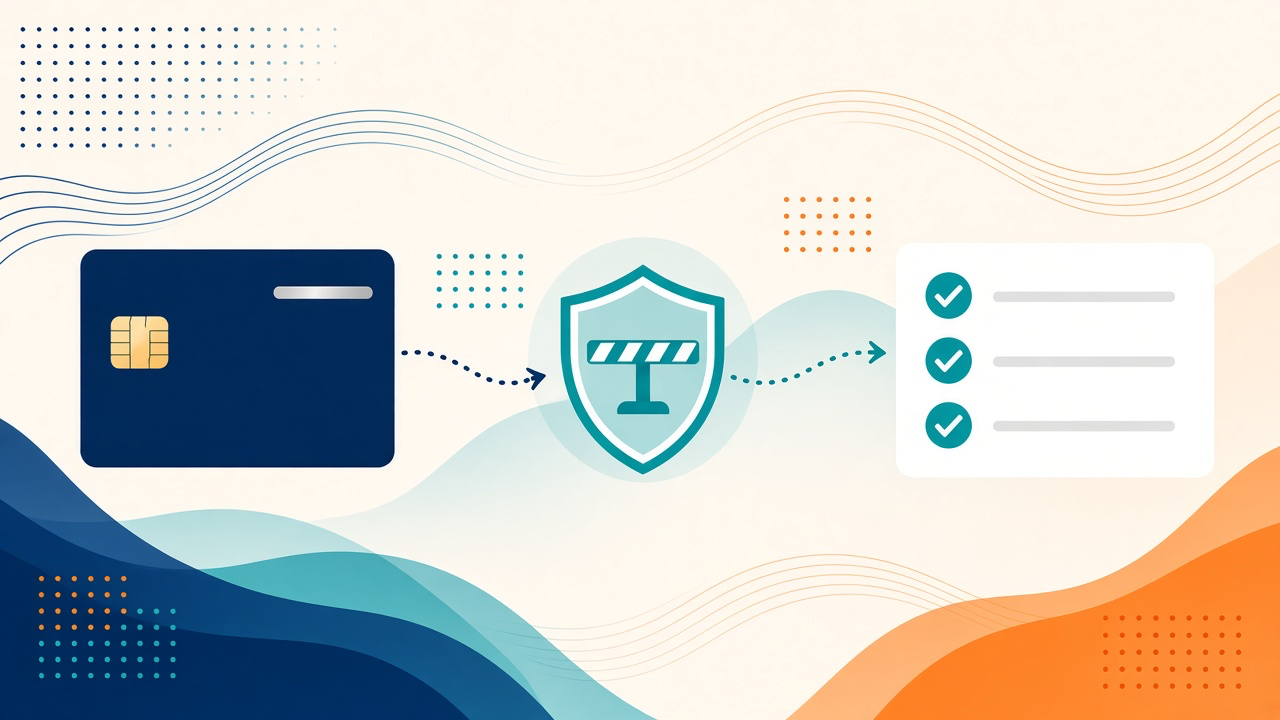
How to test a payment gateway integration across sandbox auth, capture, webhooks, refunds, and failure cases without charging real cards.

Learn how eSign works in India’s Digital Public Infrastructure—Aadhaar eSign, digital signature certificates, consent, APIs, and what engineers should design for.
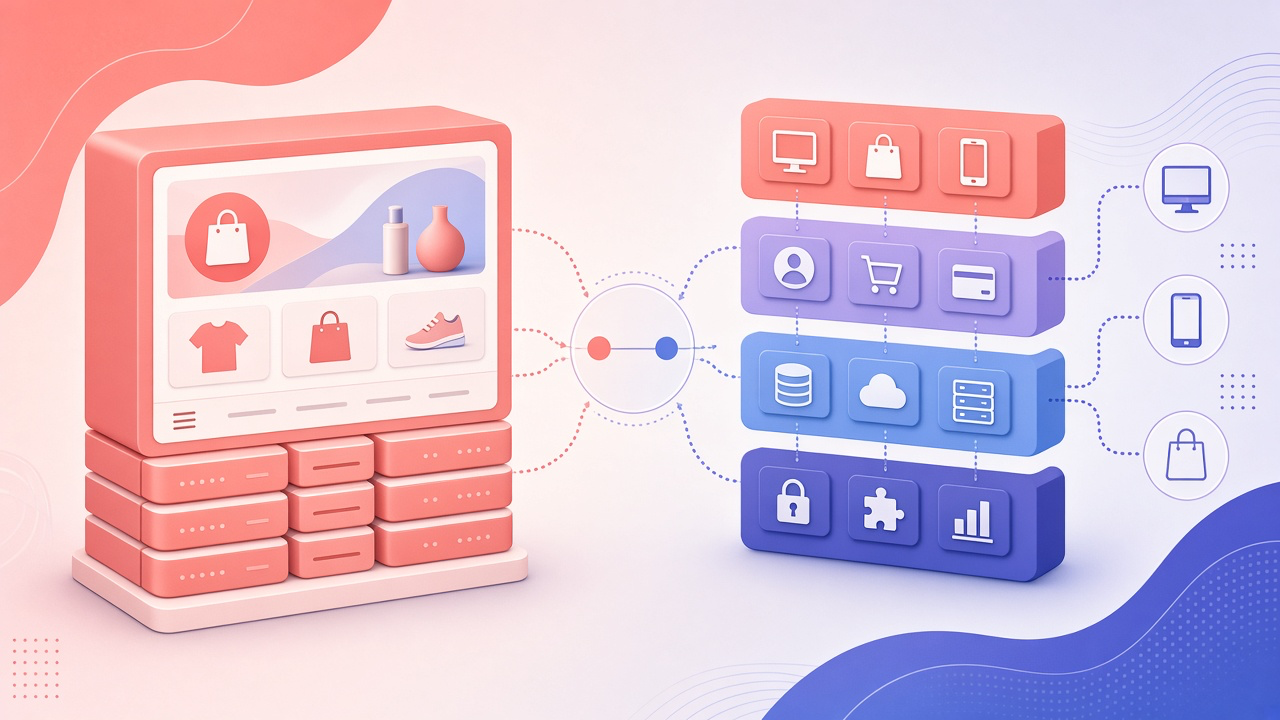
Compare headless and traditional e-commerce architectures so teams can choose based on channels, speed to market, team skills, and long-term flexibility.
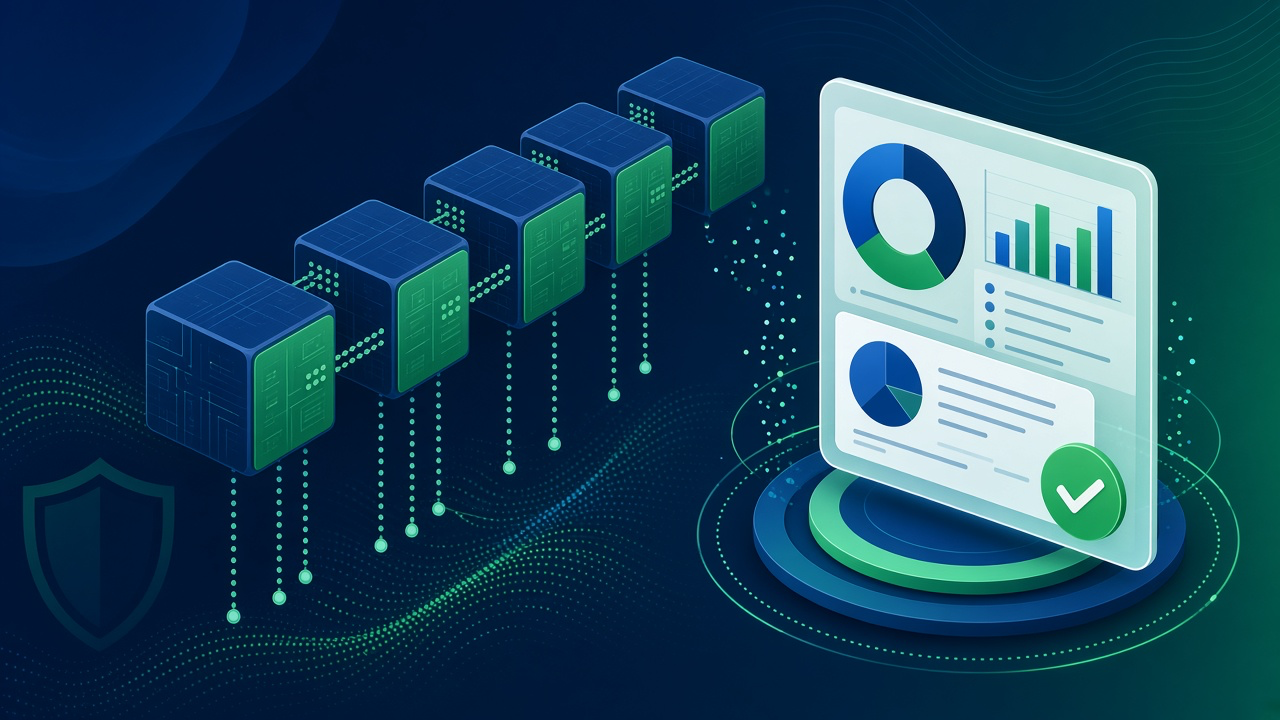
Design a reliable FinTech transaction ledger with immutable entries, double-entry balance rules, idempotency, reconciliation hooks, and audit-ready history.
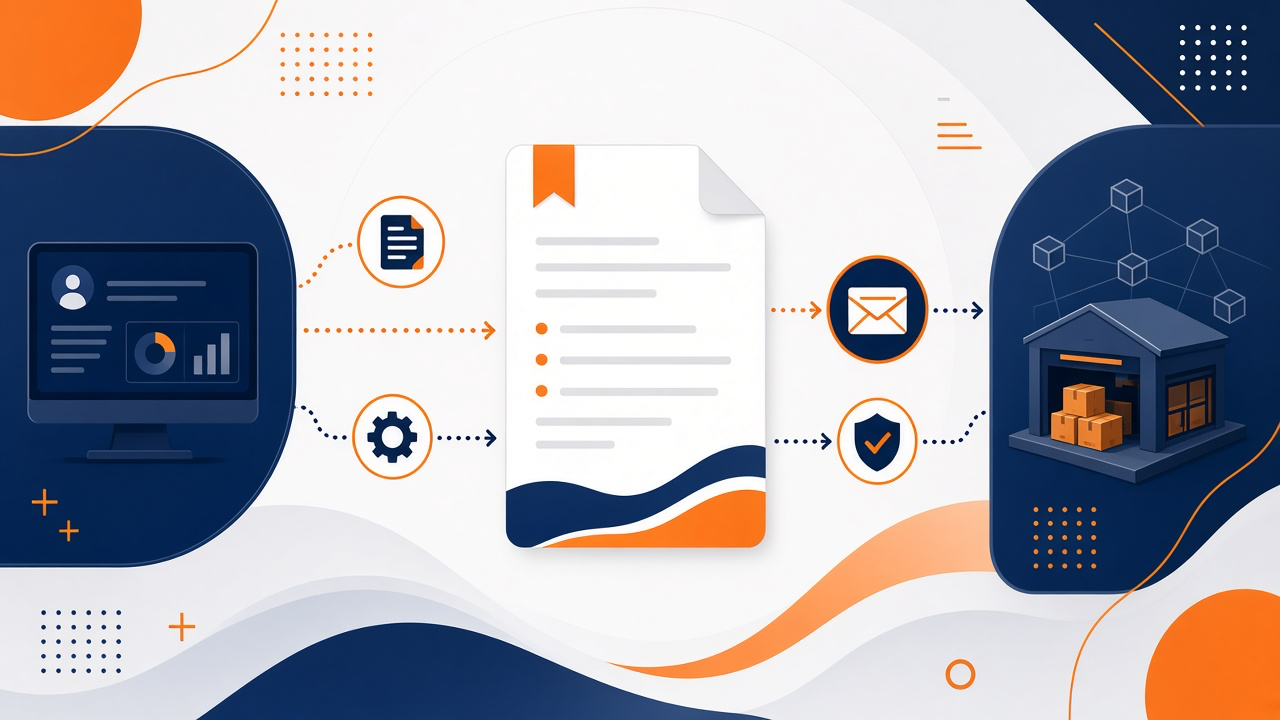
A clear walkthrough of the EDI 850 Purchase Order flow—from buyer creation and AS2 delivery to supplier acknowledgment, fulfillment, and downstream invoices.
How to protect customer data in multi-tenant SaaS with tenant isolation, least privilege, encryption, monitoring, and secure operational practices that scale.

Learn why identity and access management became the real security perimeter for SaaS and FinTech, and how to design authentication, authorization, and privileged access.
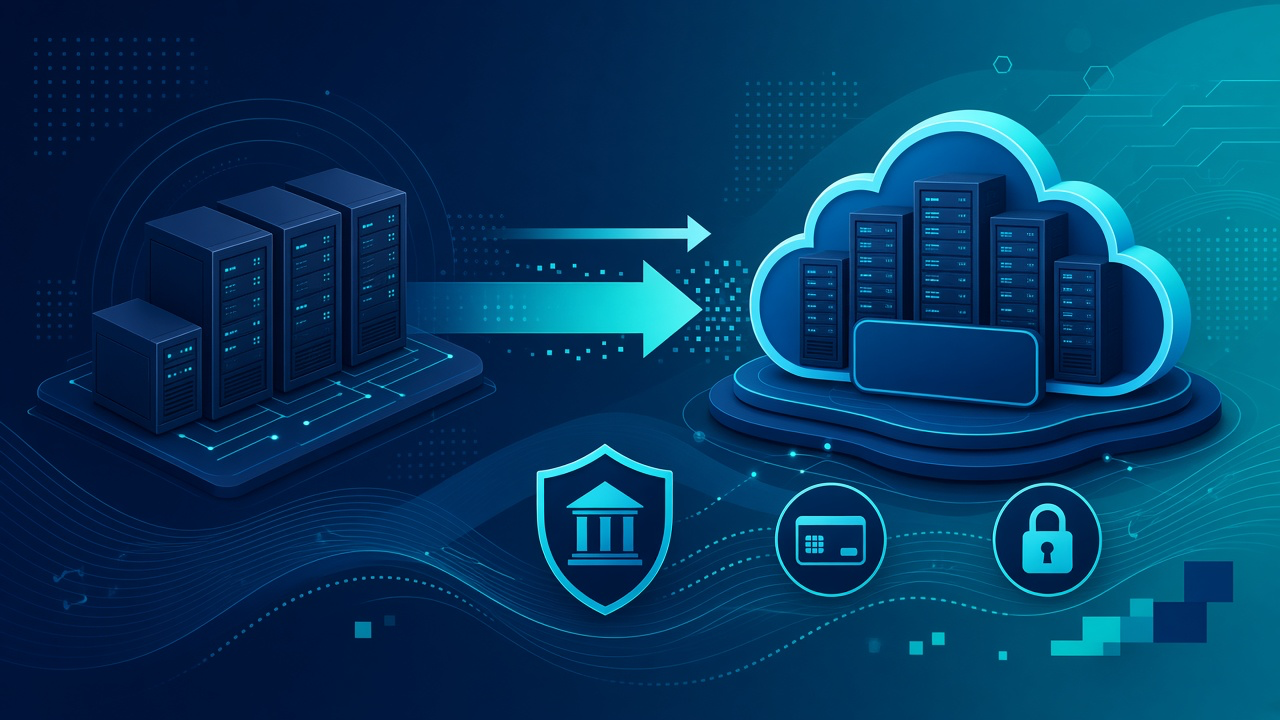
A practical cloud migration strategy for FinTech apps covering risk, compliance, data movement, cutover patterns, and how to keep payments reliable during the move.

How FinTech teams use AI to spot unusual payment patterns in real time—beyond fixed thresholds—so ops catch risk early without flooding good customers with false alerts.
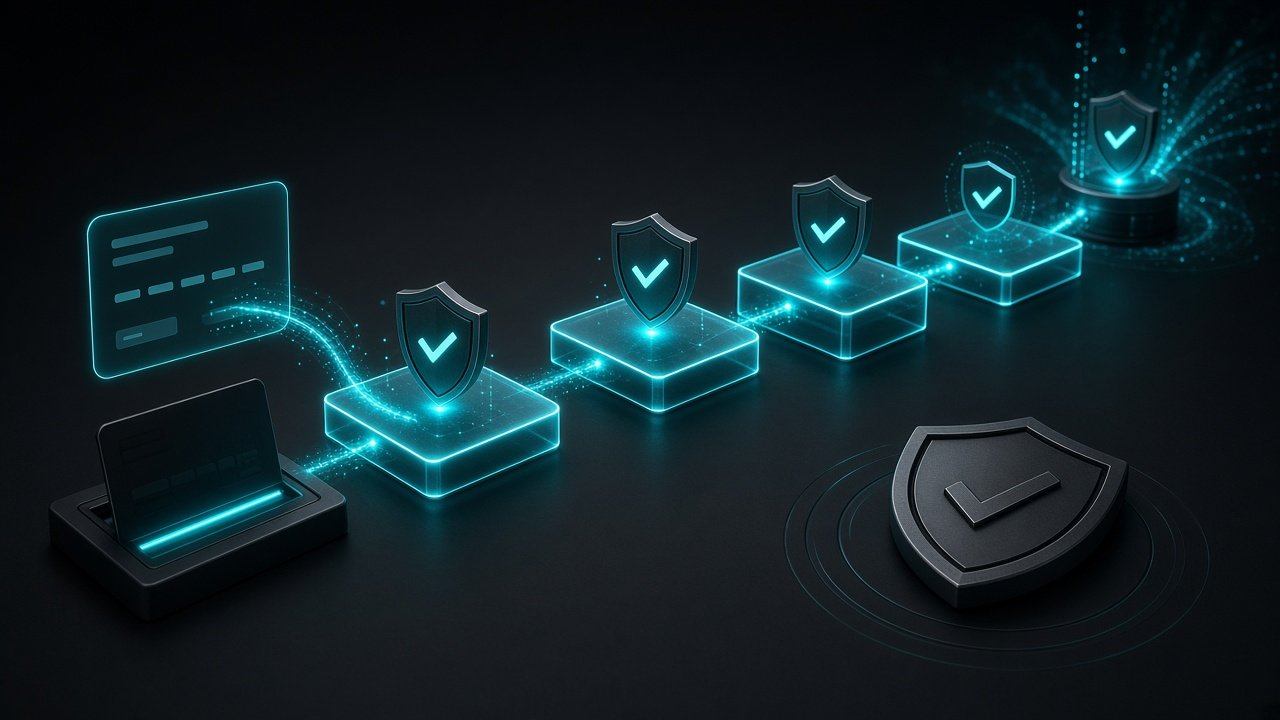
How to design end-to-end tests for payment apps covering checkout, auth, webhooks, refunds, and failures without charging real cards or creating duplicate captures.

A plain-language map of India Stack—identity, payments, documents, and consented data—and how Aadhaar, UPI, DigiLocker, and Account Aggregator fit together as Digital Public Infrastructure.

How to keep stock in sync across your website, marketplaces, and stores so you do not oversell, and what architecture, events, and conflict rules make real-time inventory work.

Why static fraud rules hit a ceiling, how AI models score risk in real time, and how FinTech teams combine rules, machine learning, and human review without blocking good customers.

Learn how ANSI X12 810 invoices and 820 payment/remittance transactions differ, how they connect in the procure-to-pay flow, and what to map so AP and AR stay in sync.
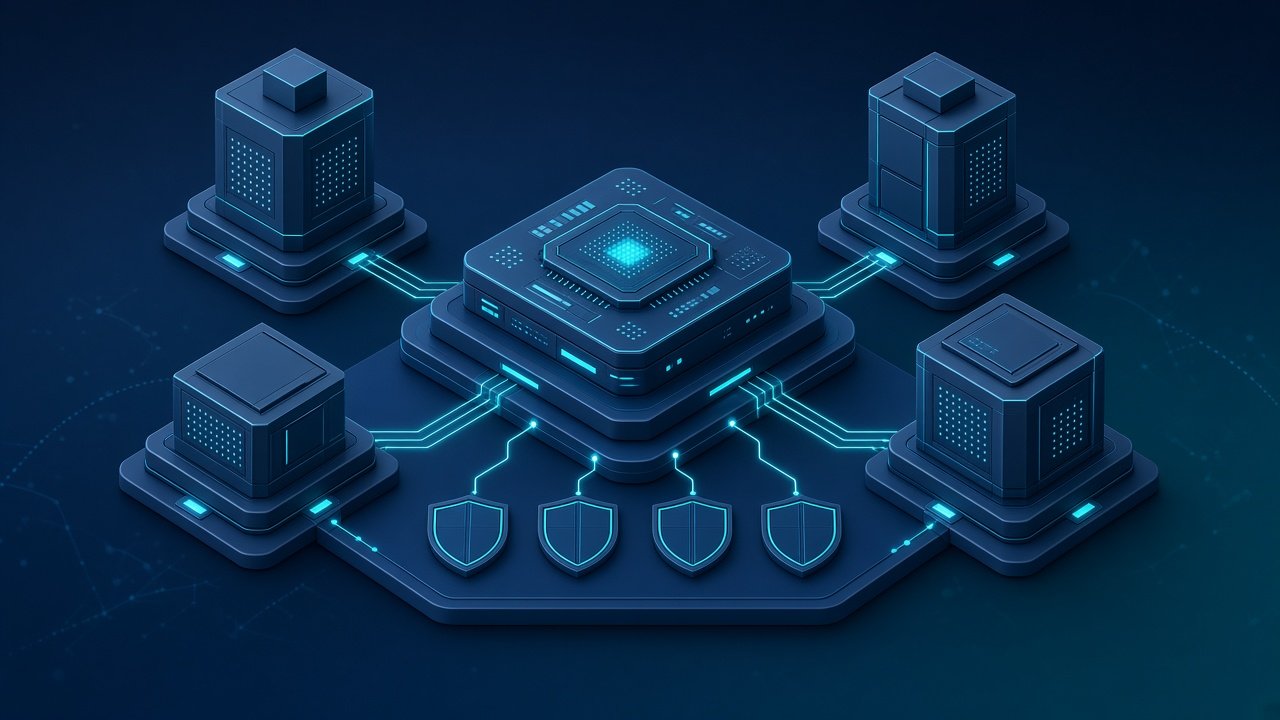
How to design multi-tenant SaaS so many customers share one platform with isolated data, safe configuration, and a path from startup to enterprise scale.
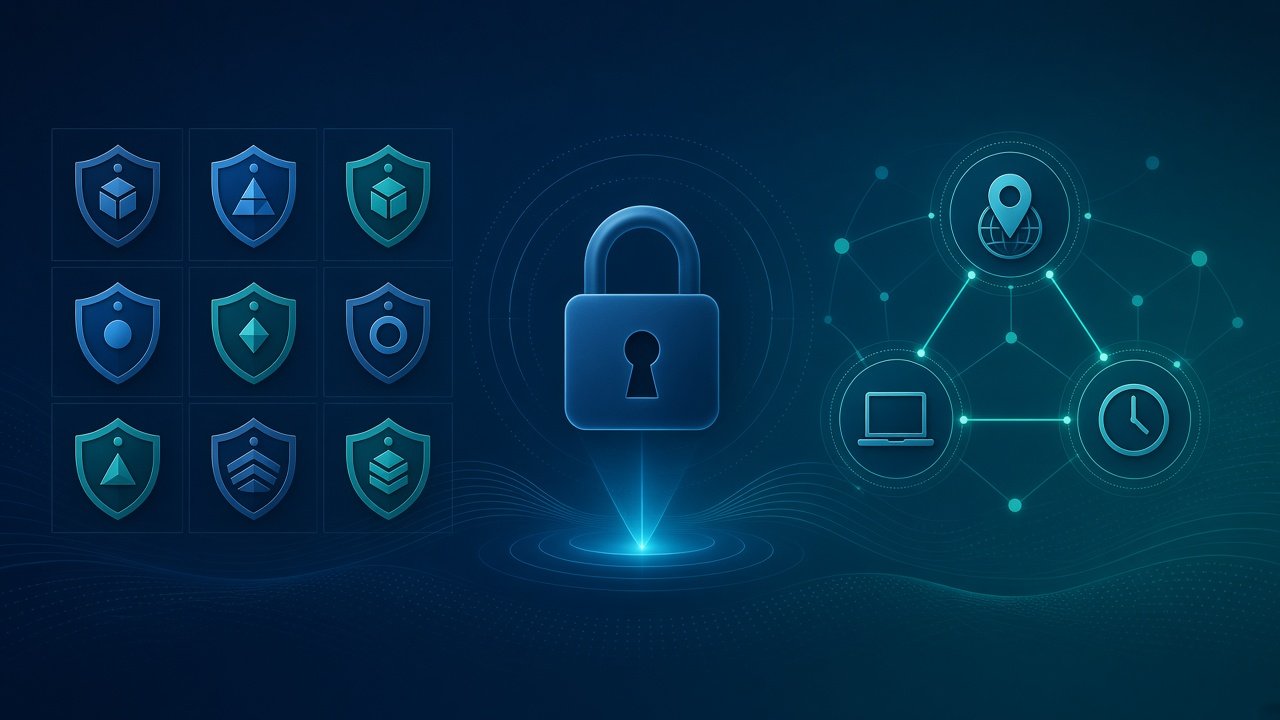
A practical comparison of RBAC and ABAC so engineering teams can pick the right access control model for SaaS, FinTech, and enterprise applications.
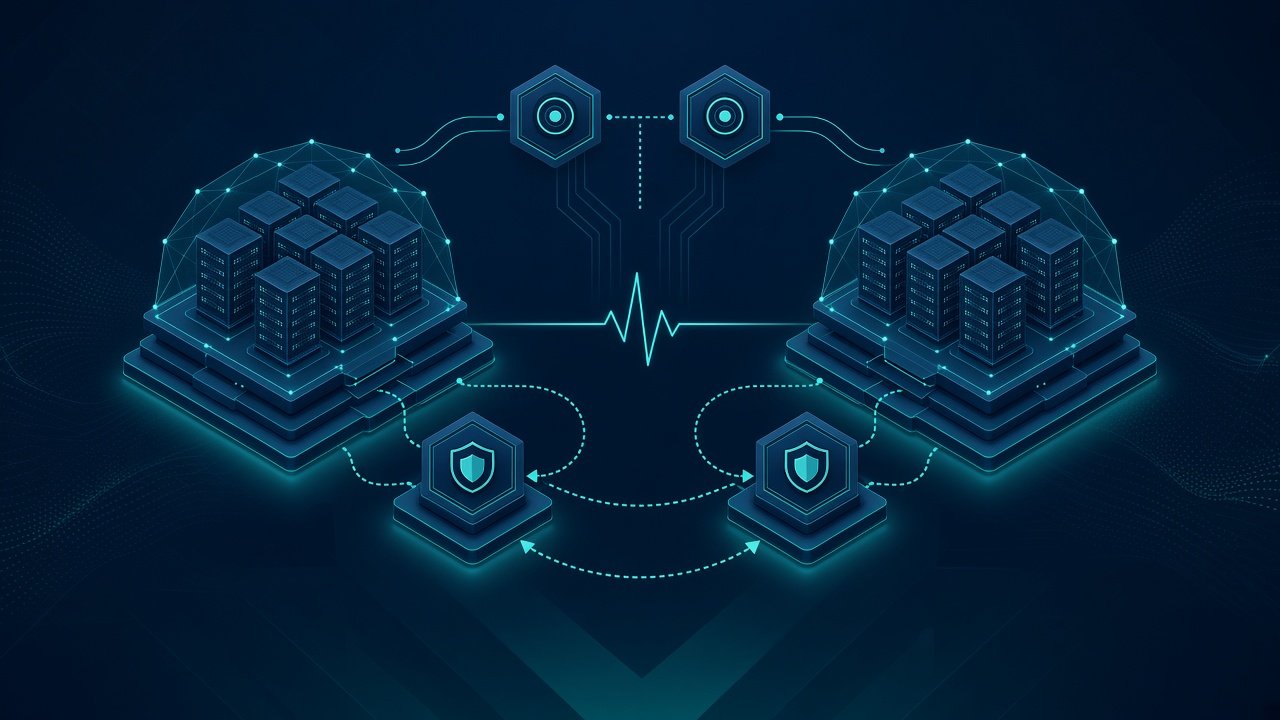
Practical patterns for high-availability FinTech systems covering redundancy, failover, data replication, payment processing, and operational recovery.
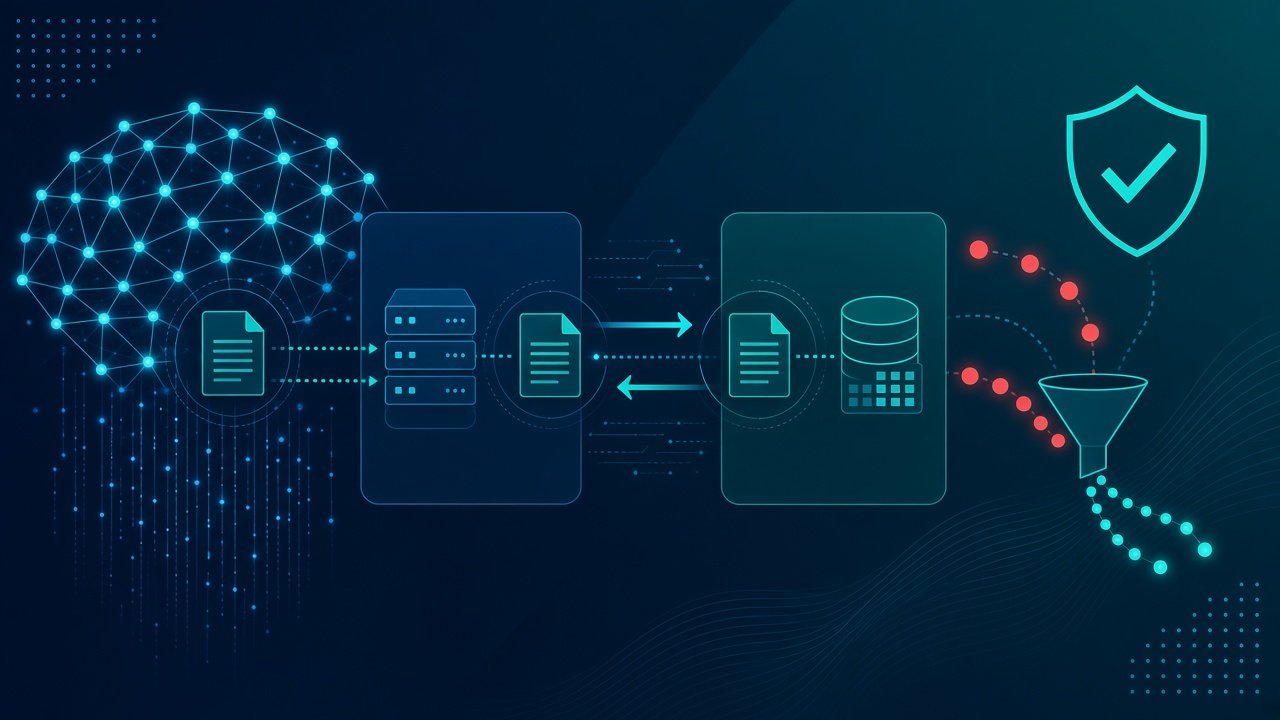
How AI can automate EDI mapping, X12 validation, and error detection so trading partner onboarding is faster and production failures are easier to catch.
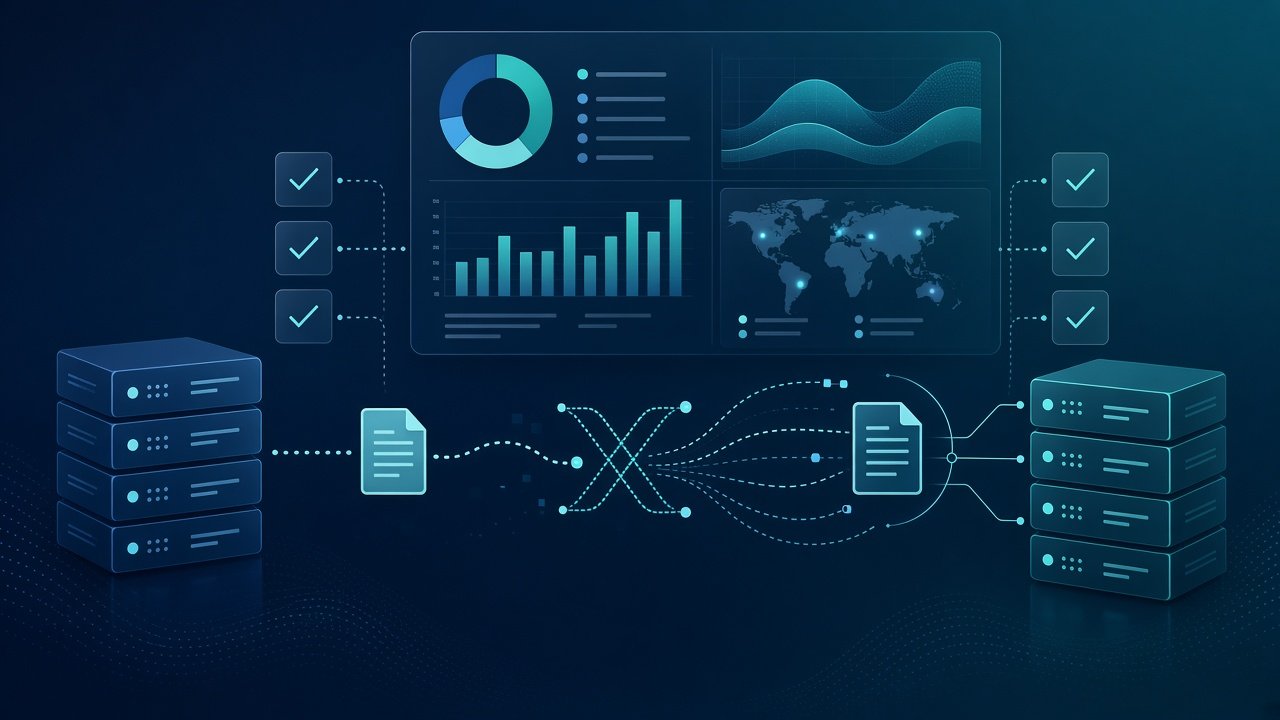
A complete QA testing checklist for EDI integrations covering X12 documents, AS2/SFTP, acknowledgments, duplicates, retries, mapping, and monitoring.
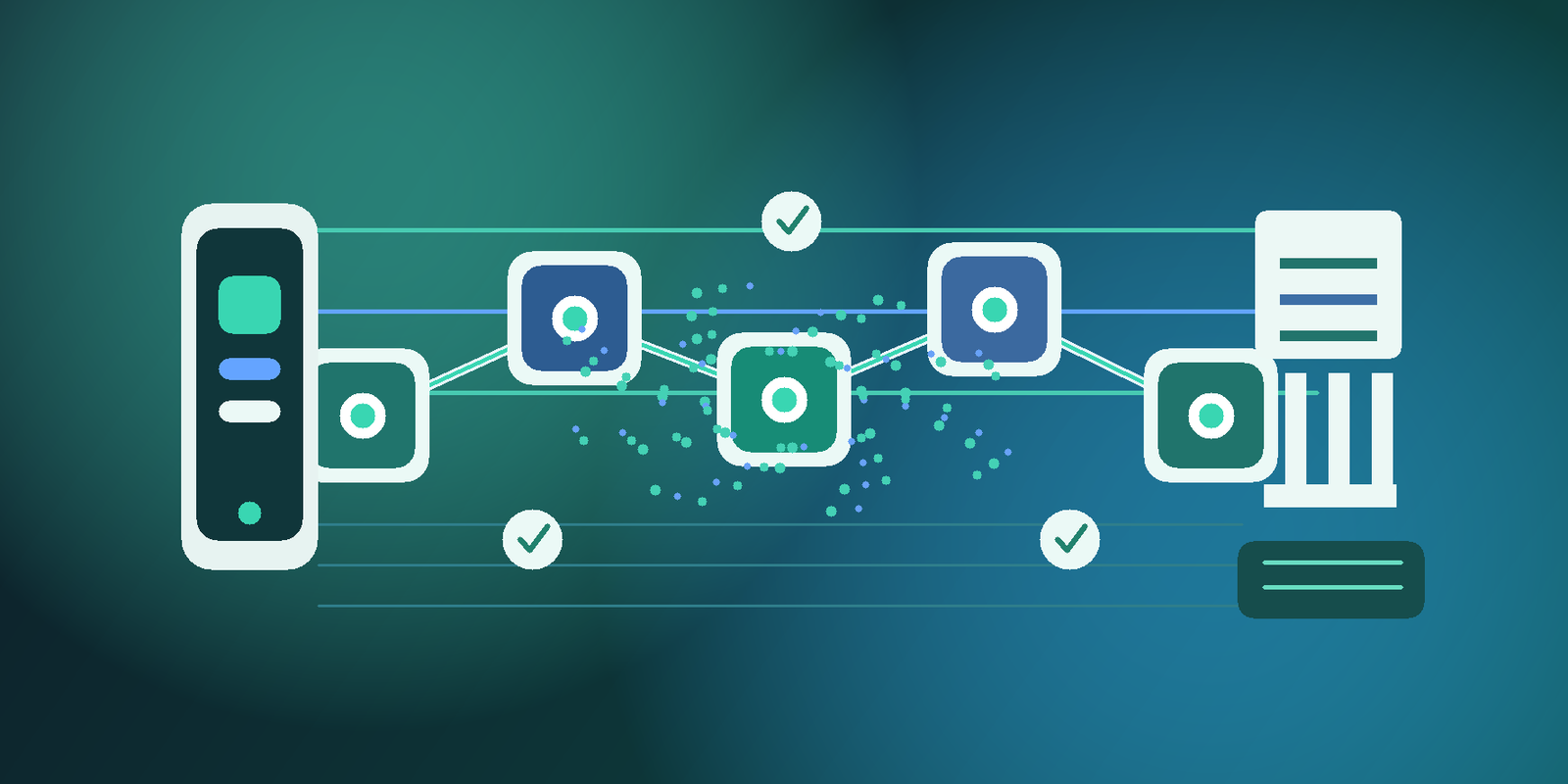
Learn how a UPI transaction moves from user initiation to bank authorization, NPCI switching, confirmation, reconciliation, and final settlement.

Learn how headless commerce architecture helps modern E-commerce platforms connect storefronts, APIs, CMS, search, payments, inventory, and order systems.
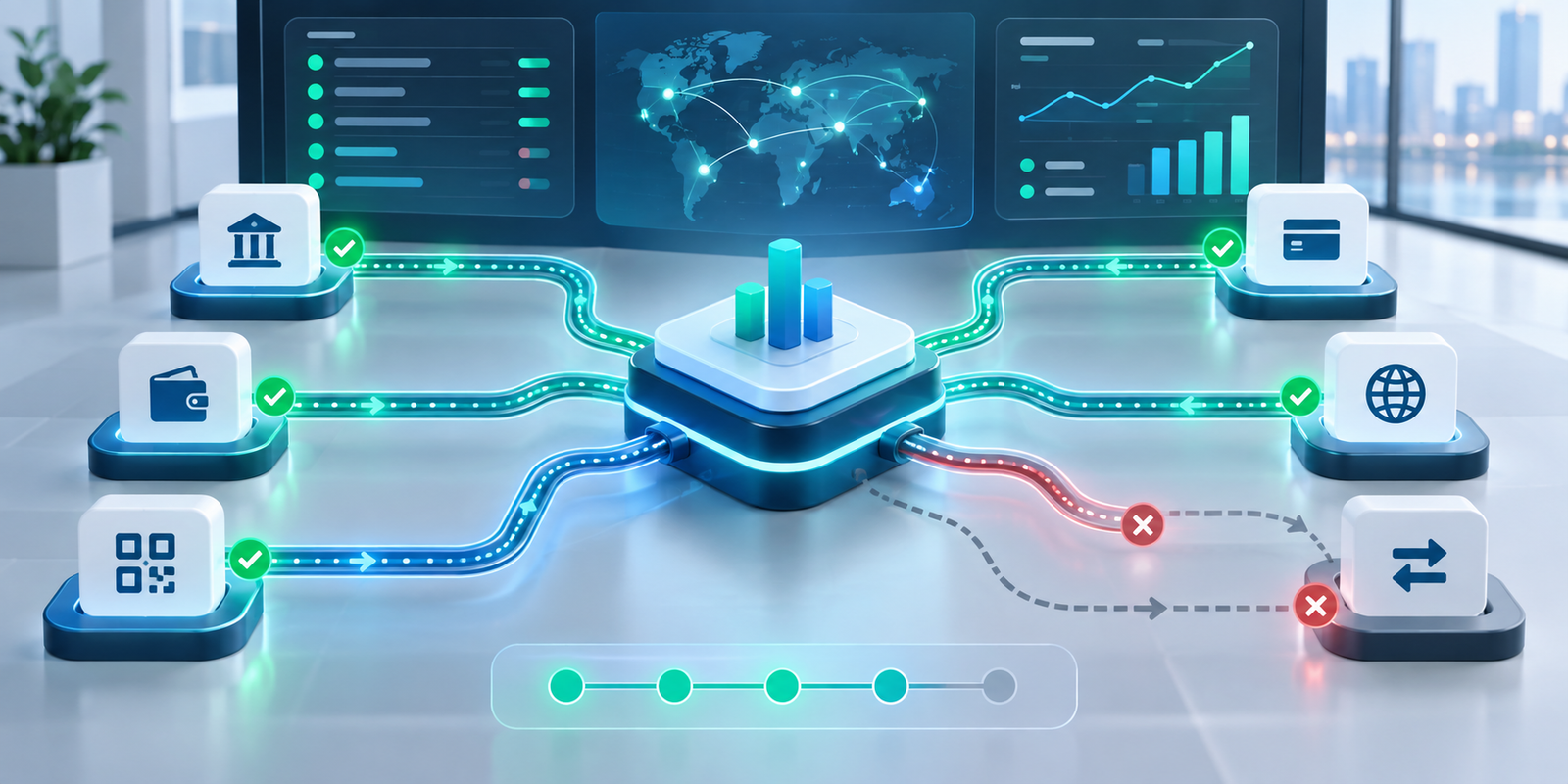
Learn how payment orchestration helps FinTech platforms manage multiple payment providers with smart routing, fallback logic, reconciliation, webhooks, and monitoring.

Learn how to build a scalable EDI platform for 500+ trading partners with strong partner onboarding, configuration, validation, monitoring, retries, and acknowledgments.
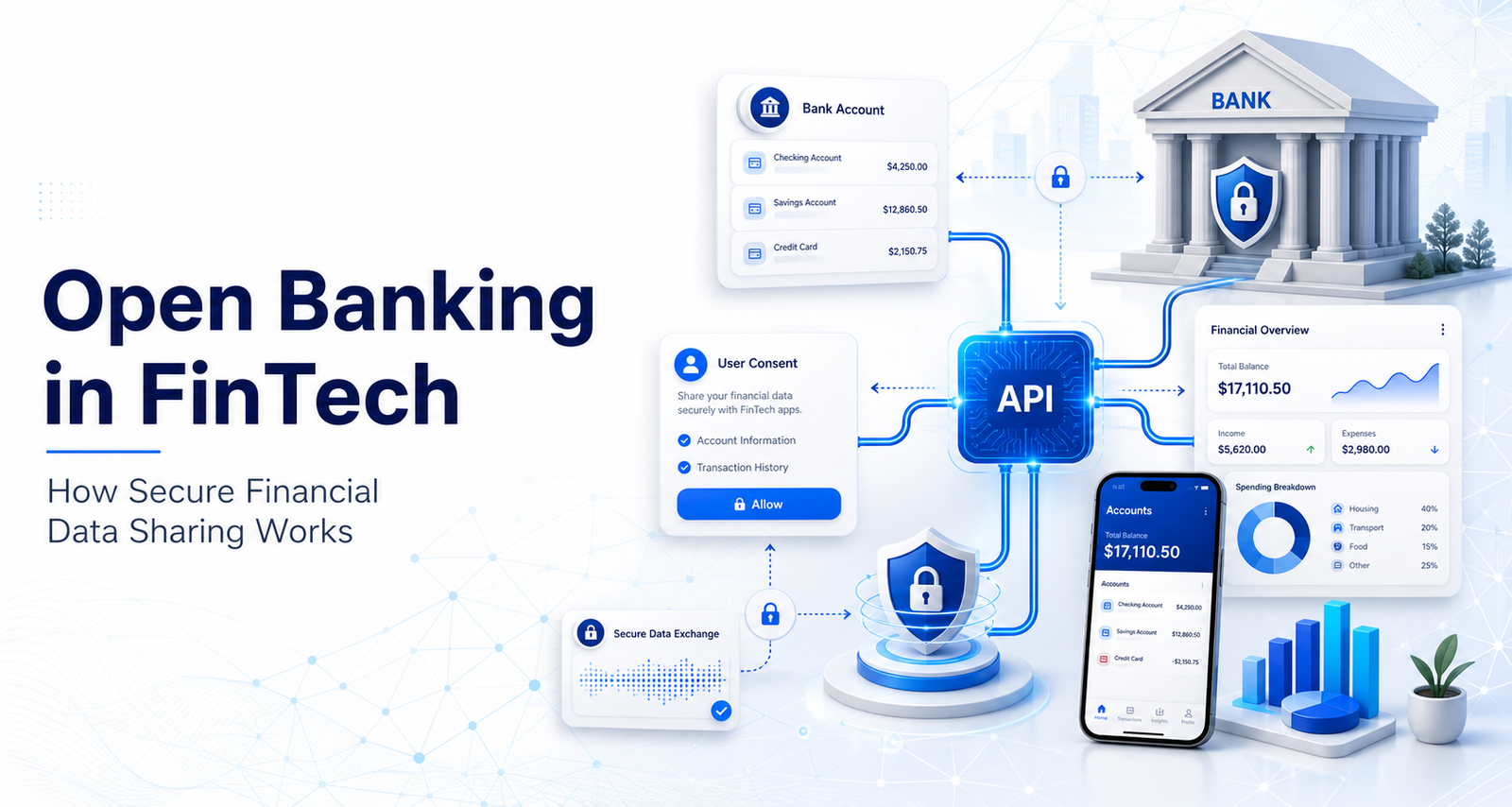
Learn how DigiLocker supports India's Digital Public Infrastructure through secure document storage, digital verification, consent-based access, and paperless onboarding workflows.
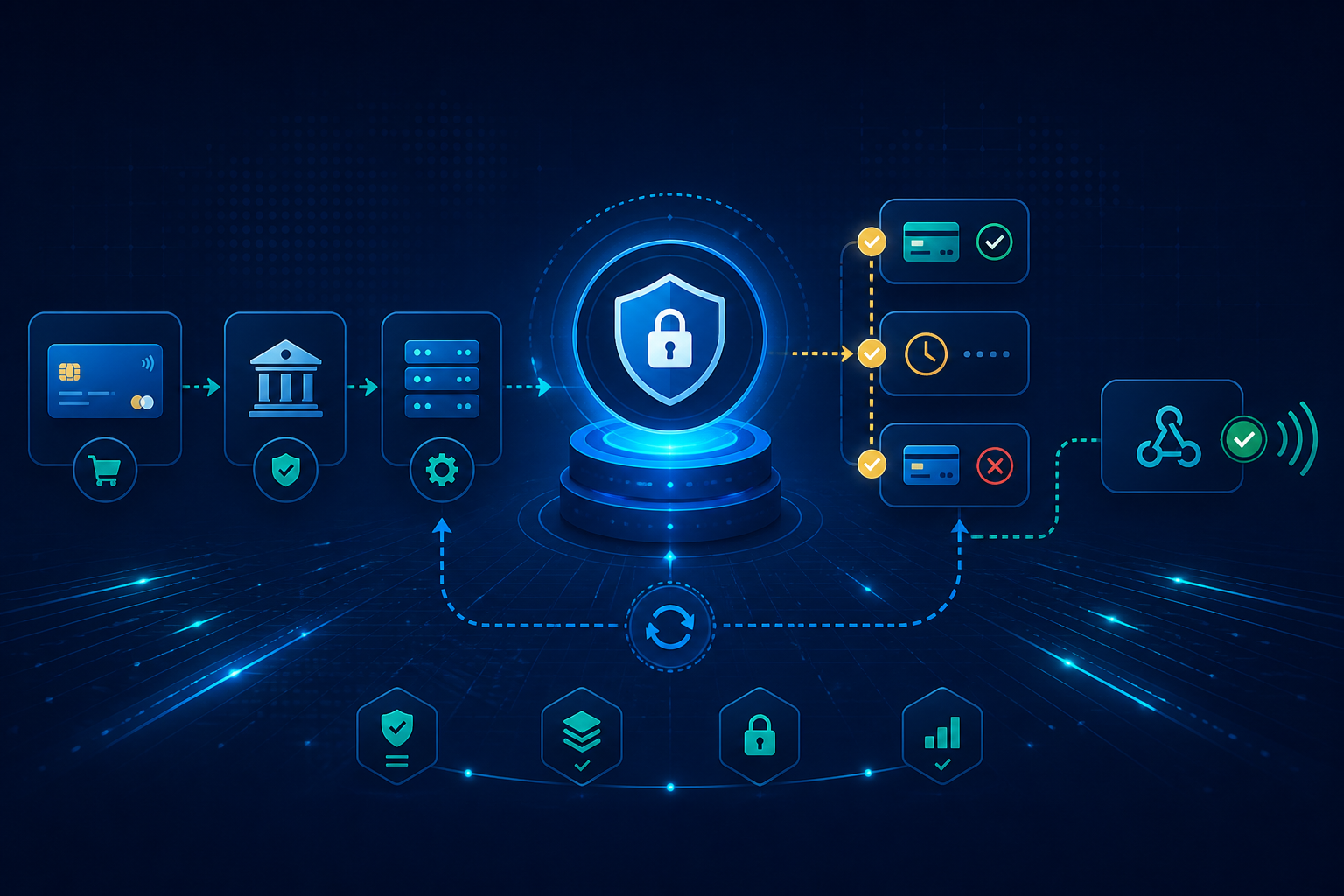
Learn how UPI works as part of India's Digital Public Infrastructure, including payment participants, transaction flow, security concepts, failure handling, and engineering lessons for FinTech systems.
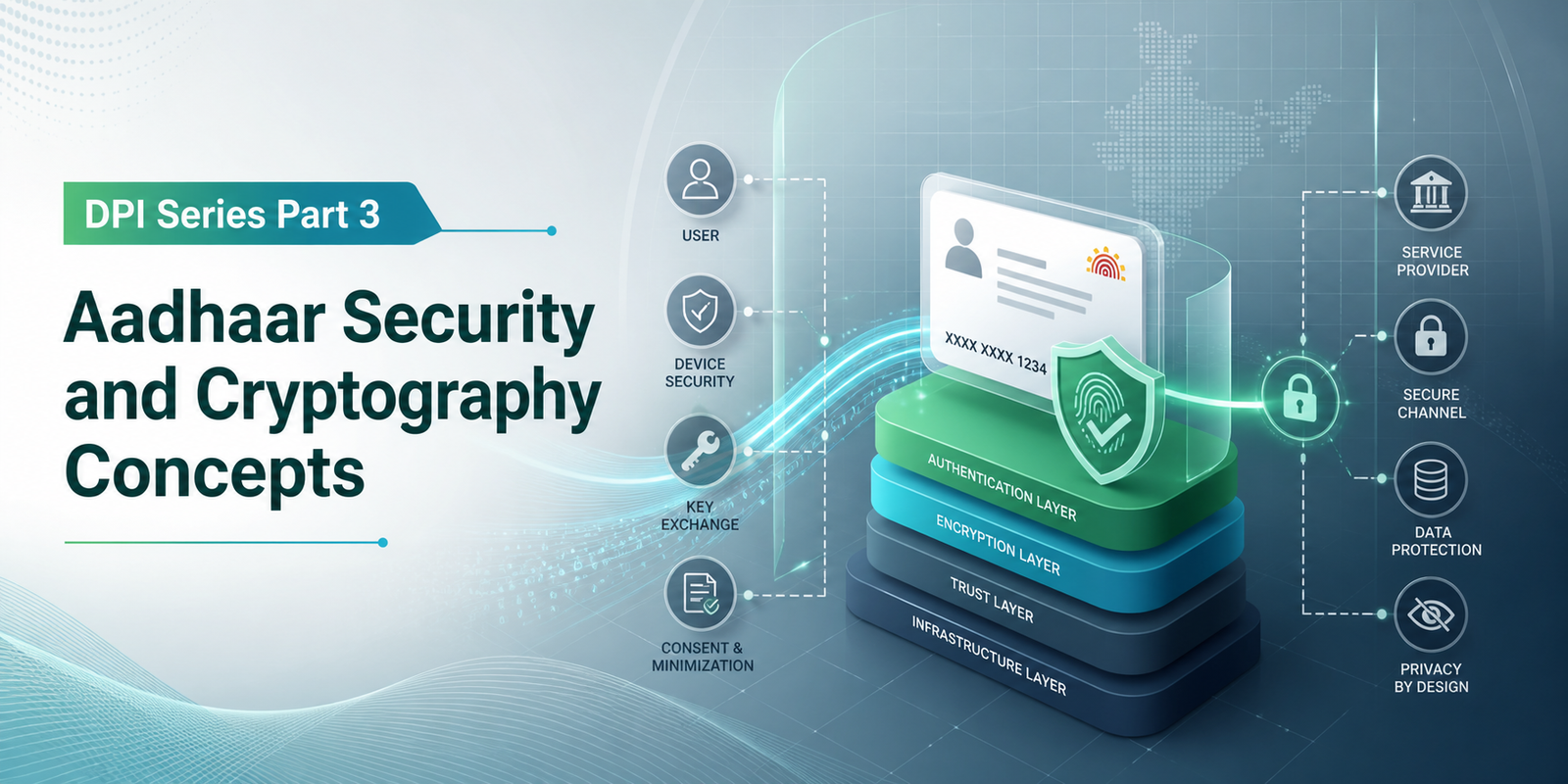
Learn the key security and cryptography concepts engineers can study through Aadhaar, including secure data handling, encryption, trust boundaries, and privacy-aware system design.
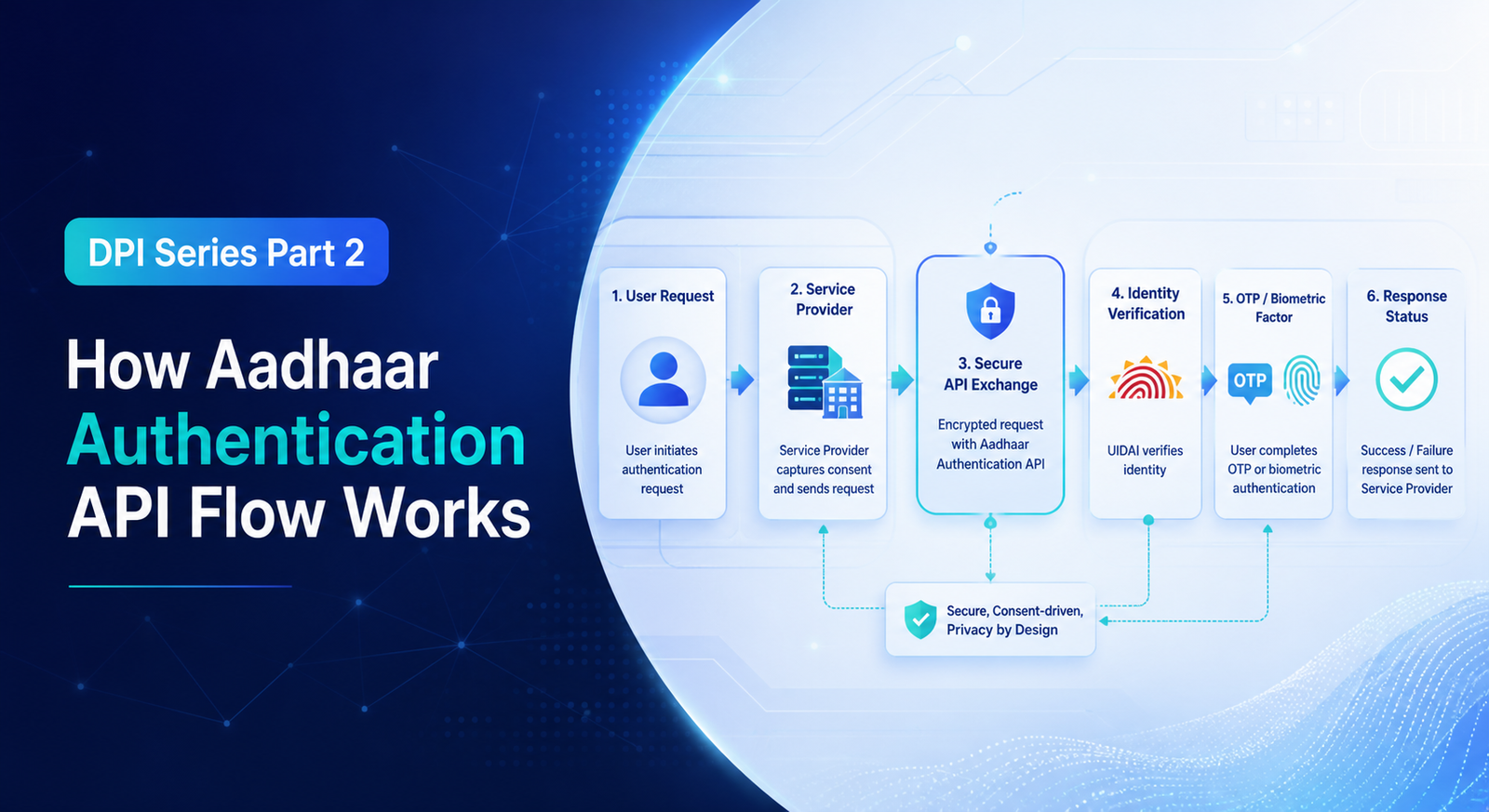
Learn how Aadhaar authentication works at a high level, including request flow, identity checks, API interactions, and why backend trust and response handling matter.
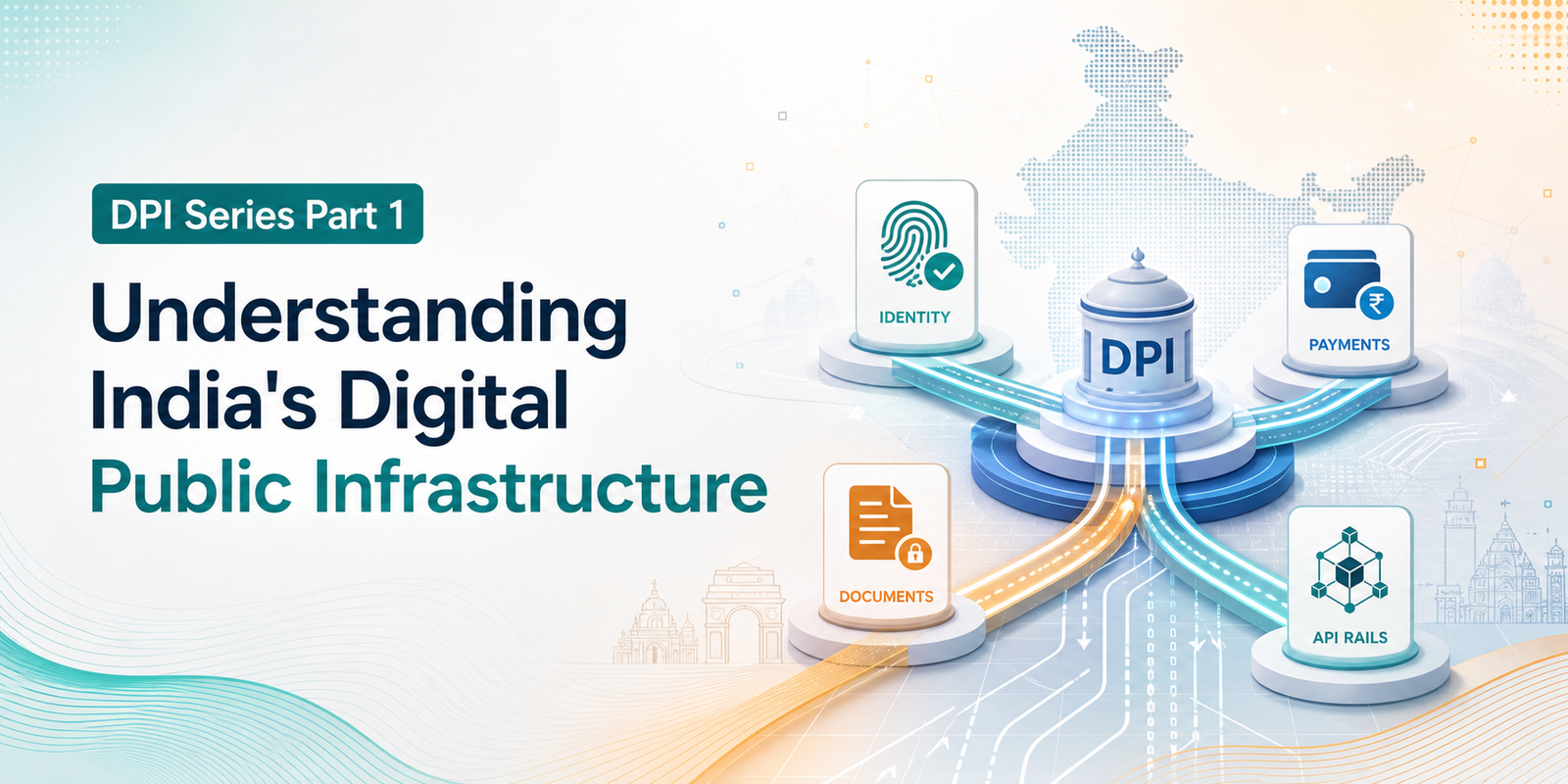
Learn what India's Digital Public Infrastructure is, why engineers should care, and how shared digital rails like identity, payments, and data exchange shape scalable public systems.

Learn how cart abandonment recovery helps E-commerce businesses improve conversions, bring shoppers back, and increase online sales with timely reminders and better checkout flows.
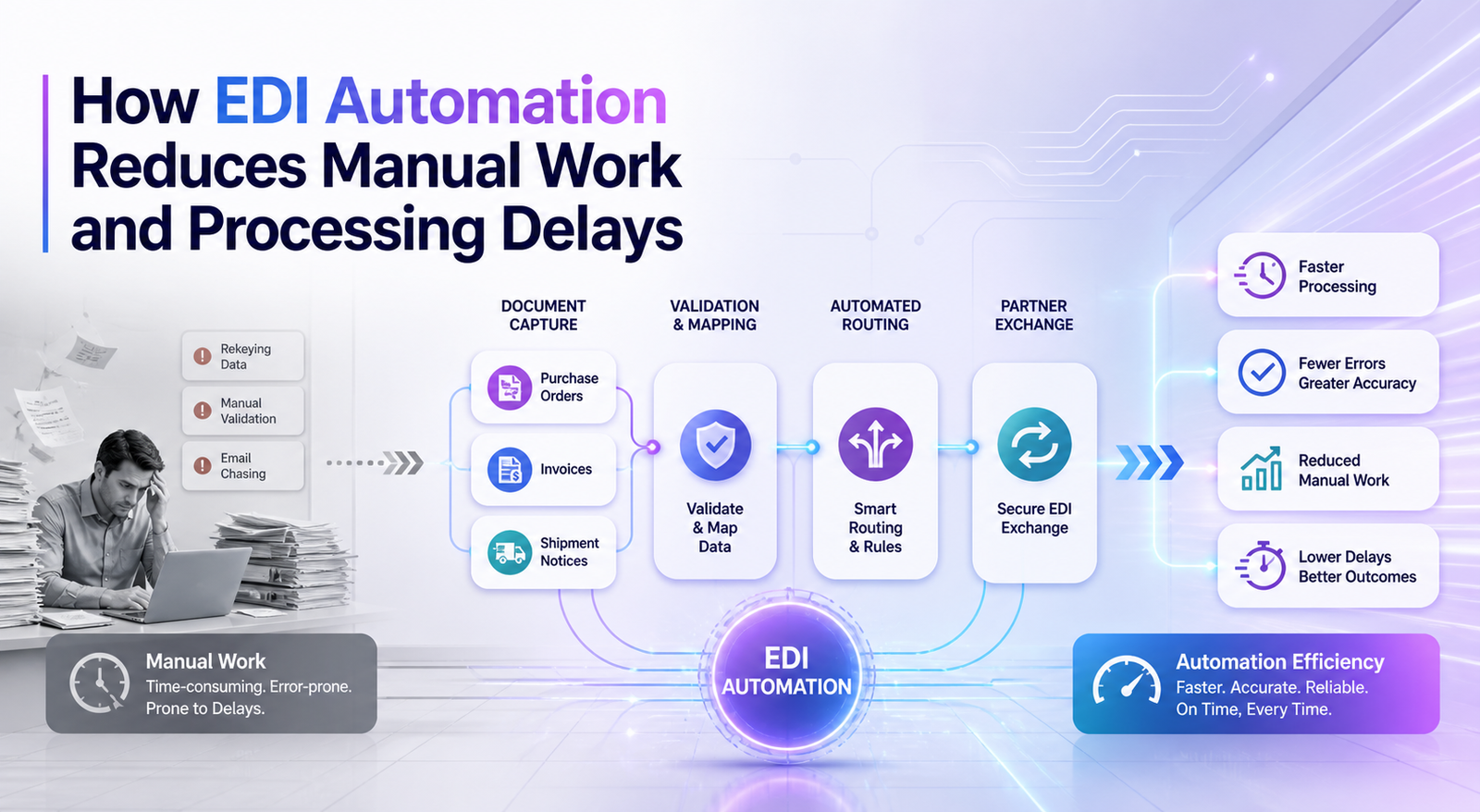
Learn how EDI automation reduces manual work, improves processing speed, and helps businesses handle partner transactions more accurately and efficiently.
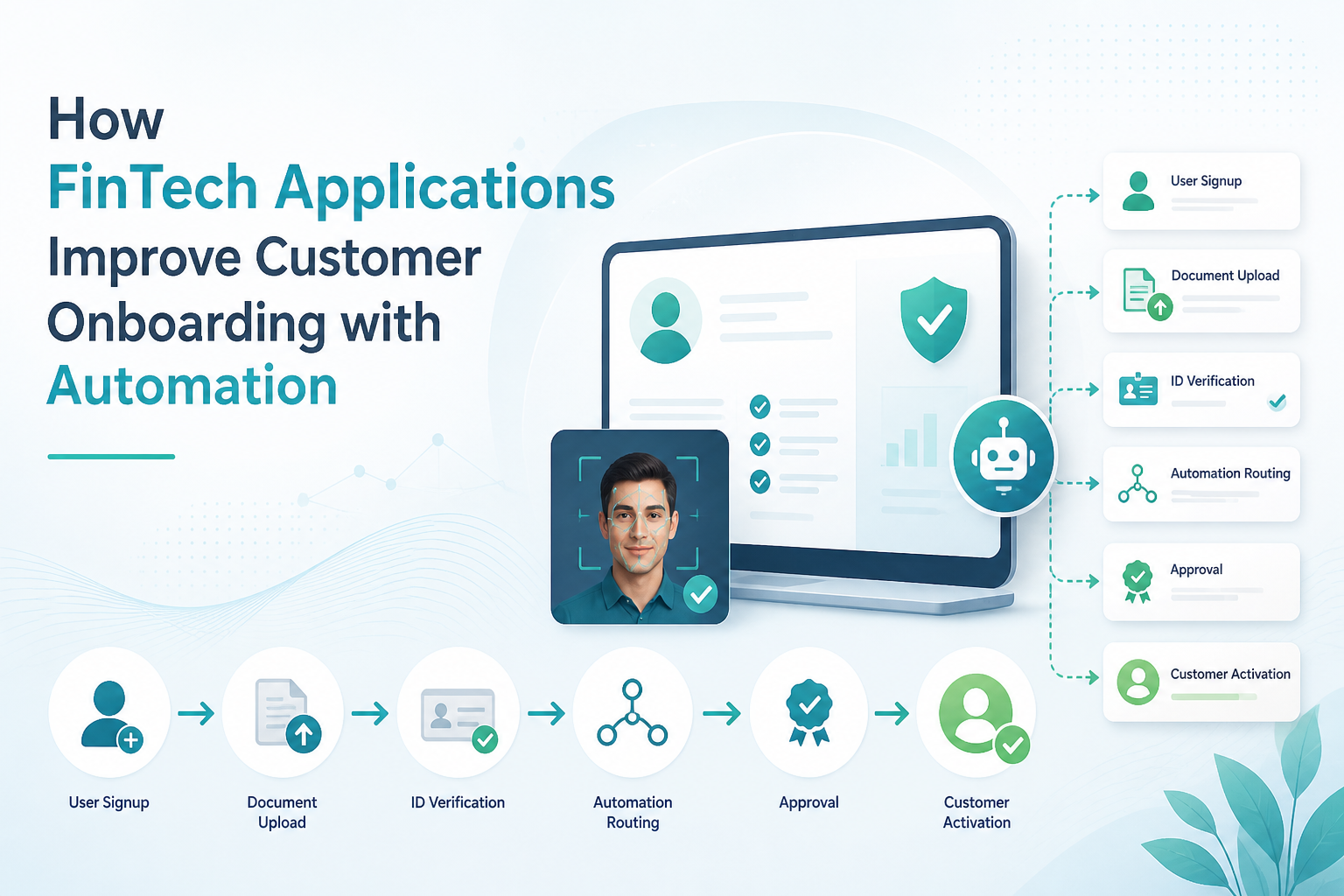
Learn how automated customer onboarding helps FinTech applications improve speed, compliance, identity verification, and user experience from signup to approval.

Learn how real-time order tracking improves the E-commerce customer experience through better visibility, faster updates, and stronger post-purchase trust.
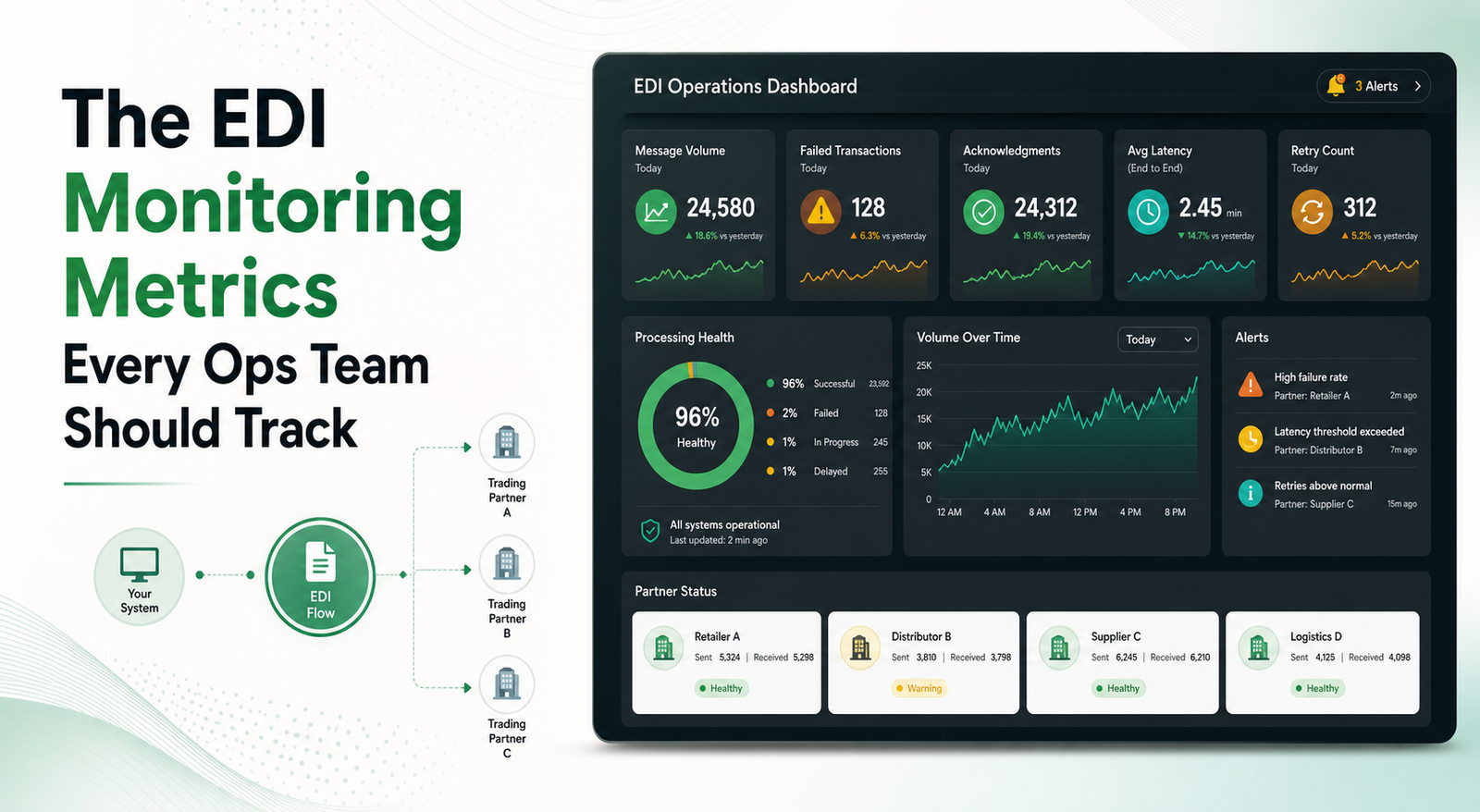
Learn which EDI monitoring metrics operations teams should track to improve visibility, detect failures faster, and keep trading partner workflows reliable.
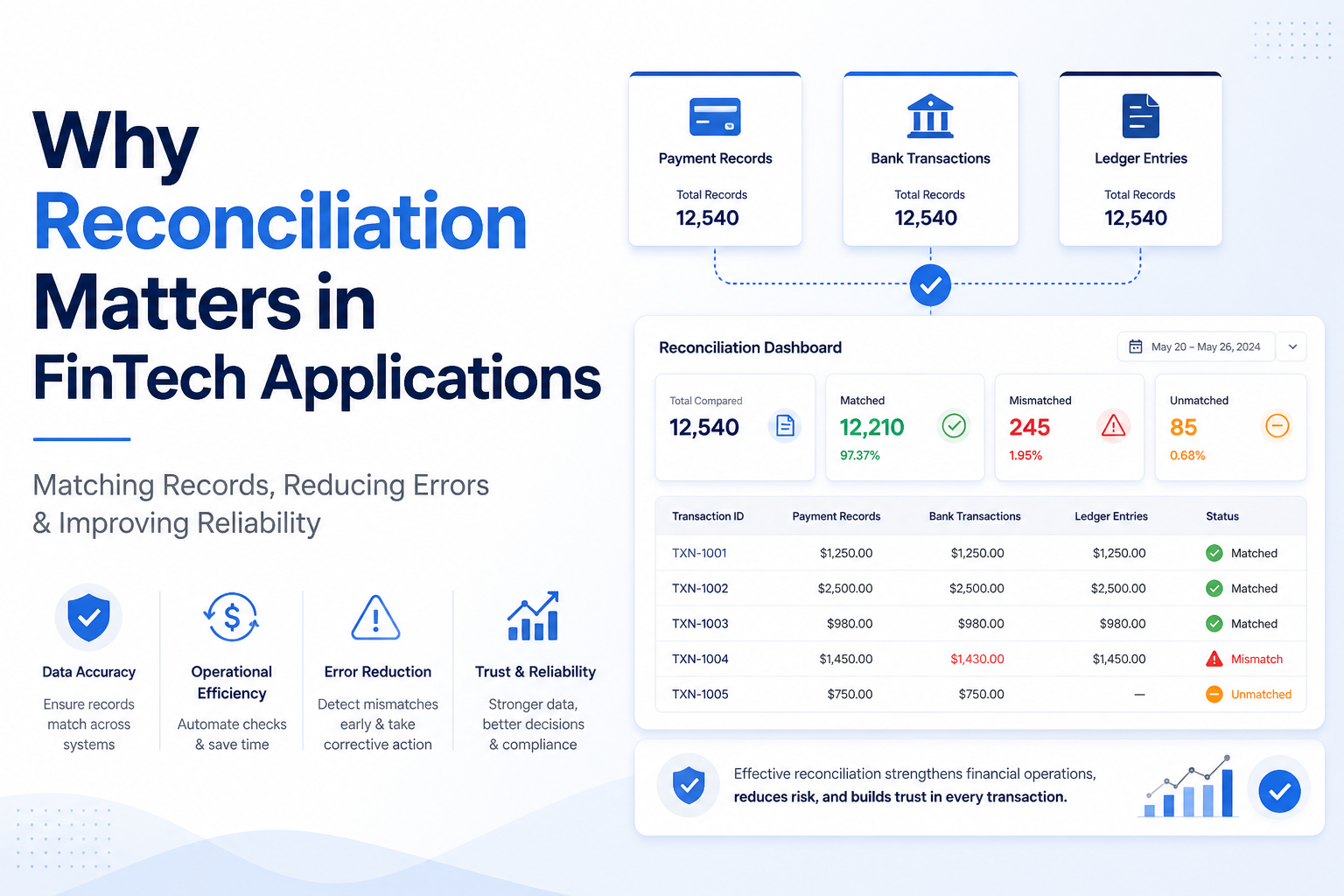
Learn why reconciliation matters in FinTech applications, how it helps compare transaction records, reduce errors, and improve financial reliability.
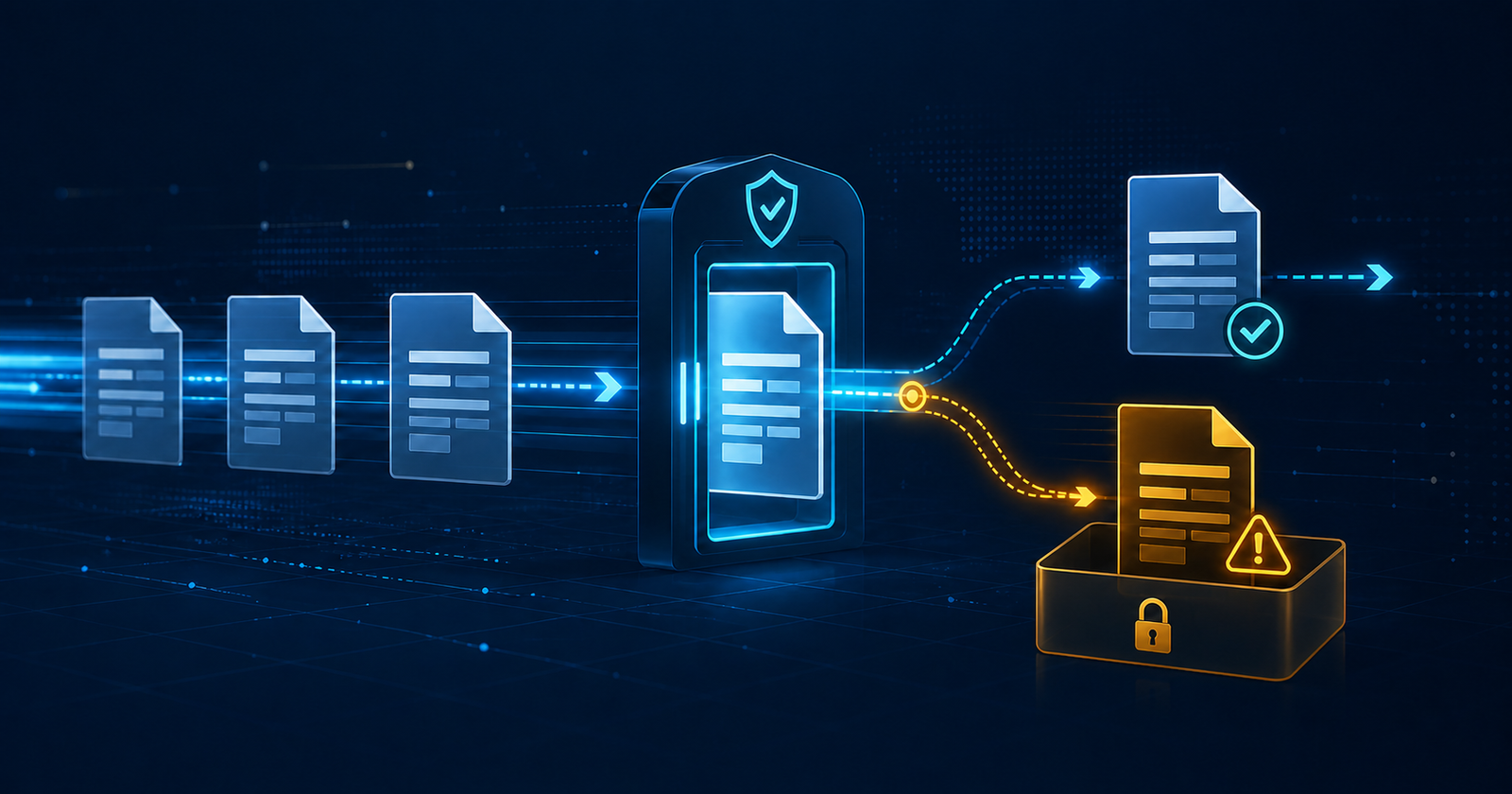
Learn why duplicate EDI messages happen, what risks they create, and how to detect and handle duplicate transactions safely in enterprise EDI systems.
Learn how open banking works in FinTech, how secure financial data sharing happens through APIs, and why it improves digital banking experiences.
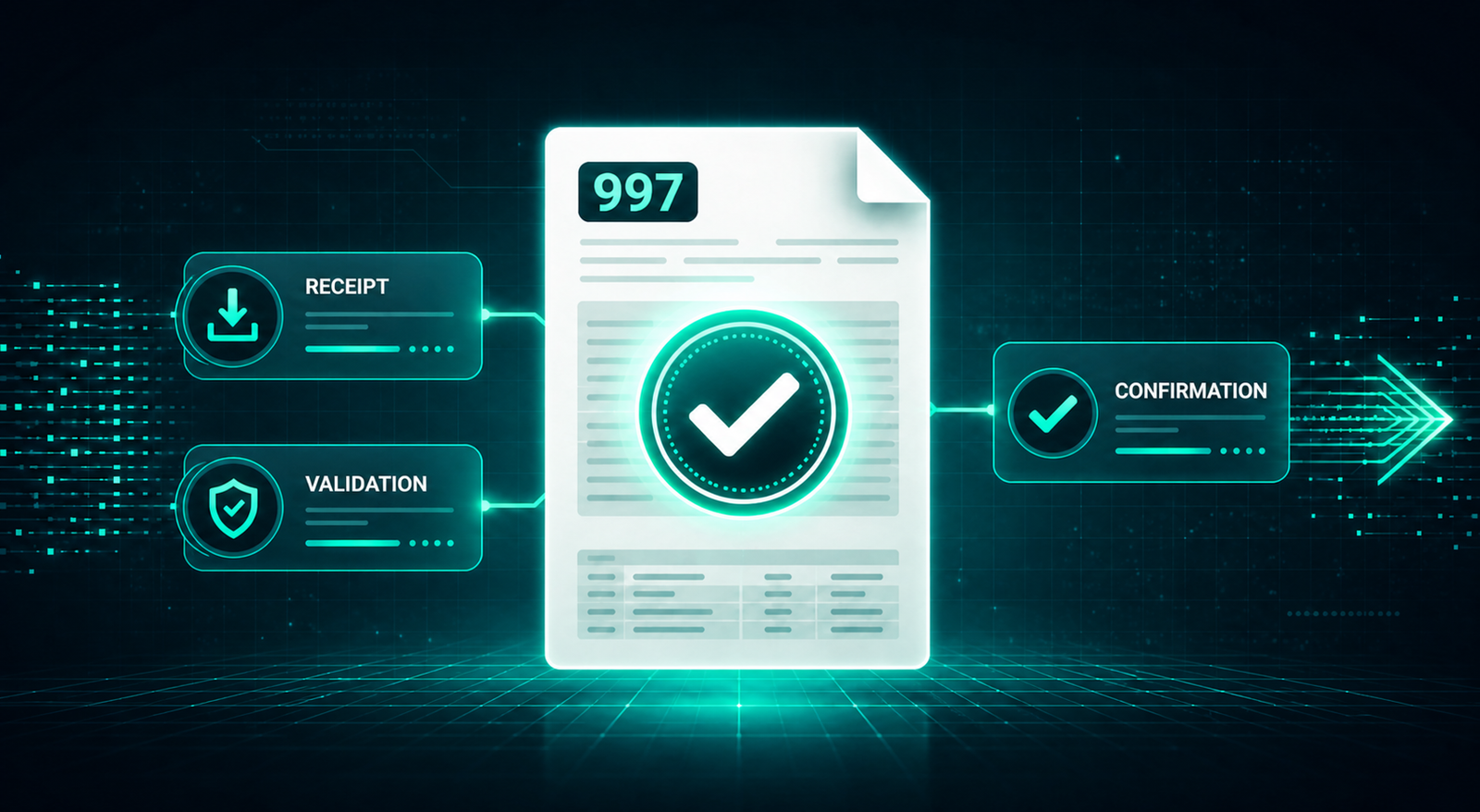
Learn what a 997 Functional Acknowledgment is in EDI, how it works, what it confirms, and why it matters in ANSI X12 integrations.
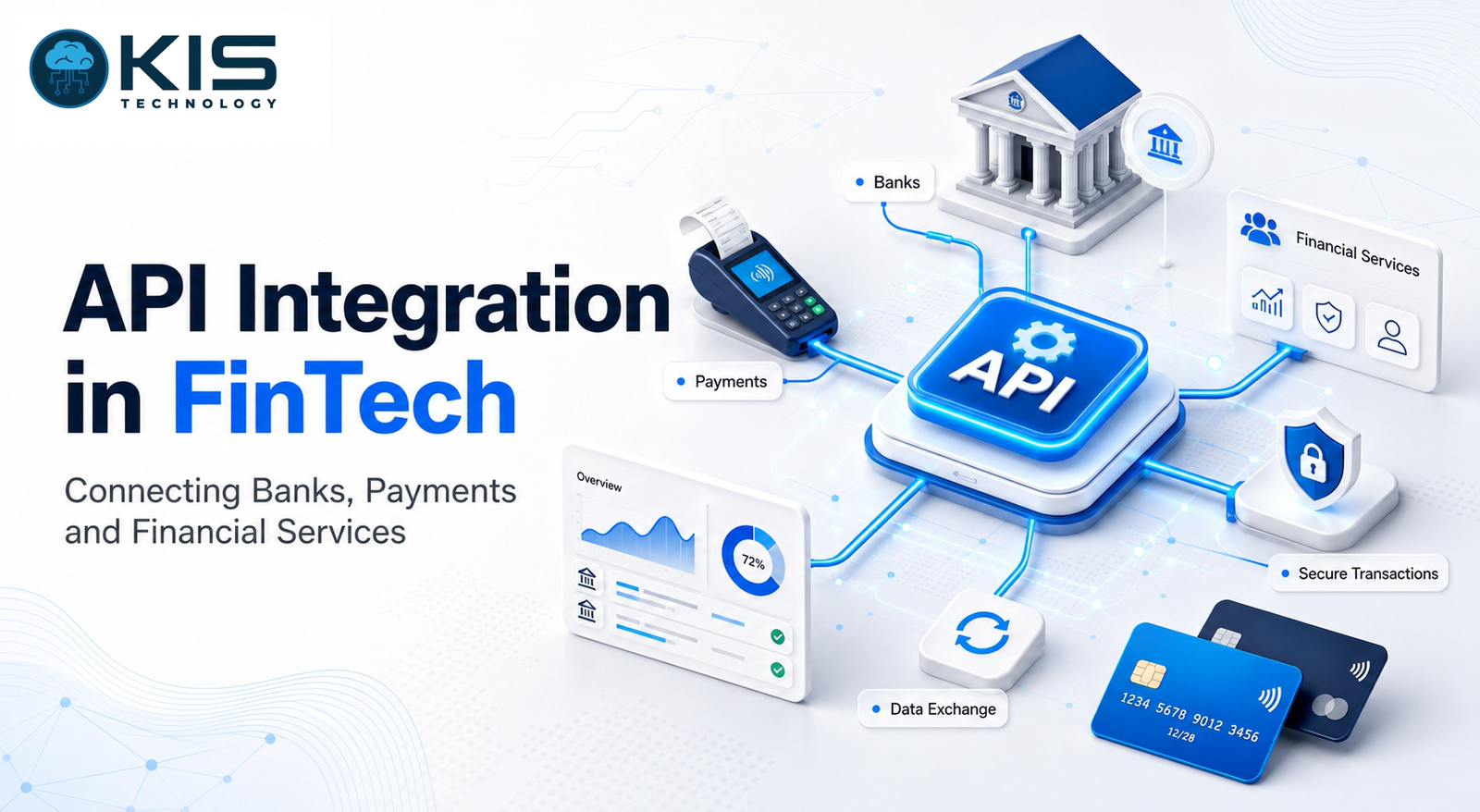
Learn how API integration in FinTech connects banks, payment systems, and financial services to create secure, scalable, and reliable digital experiences.
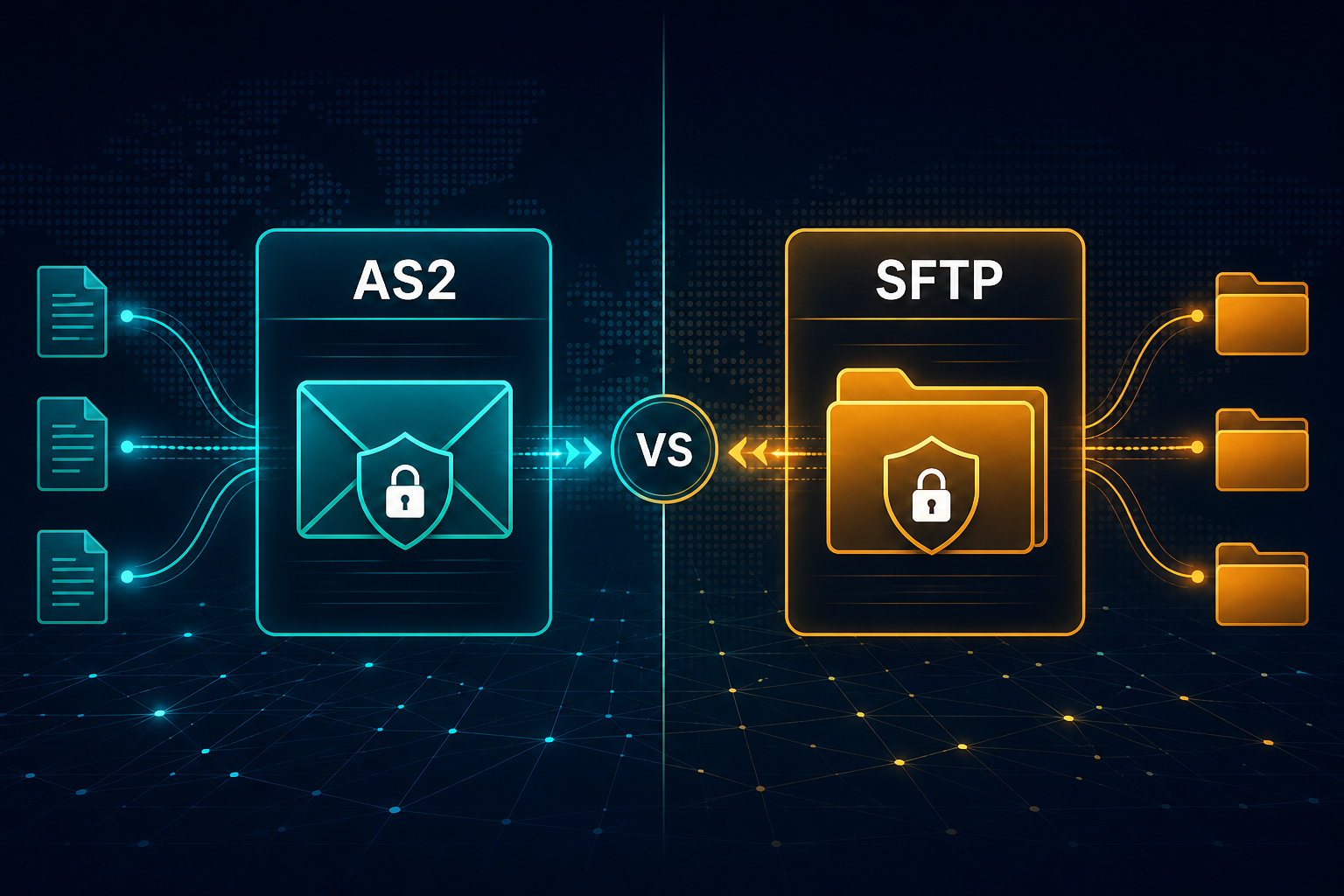
Learn the difference between AS2 and SFTP for EDI, including security, acknowledgments, file transfer behavior, and when to use each method.
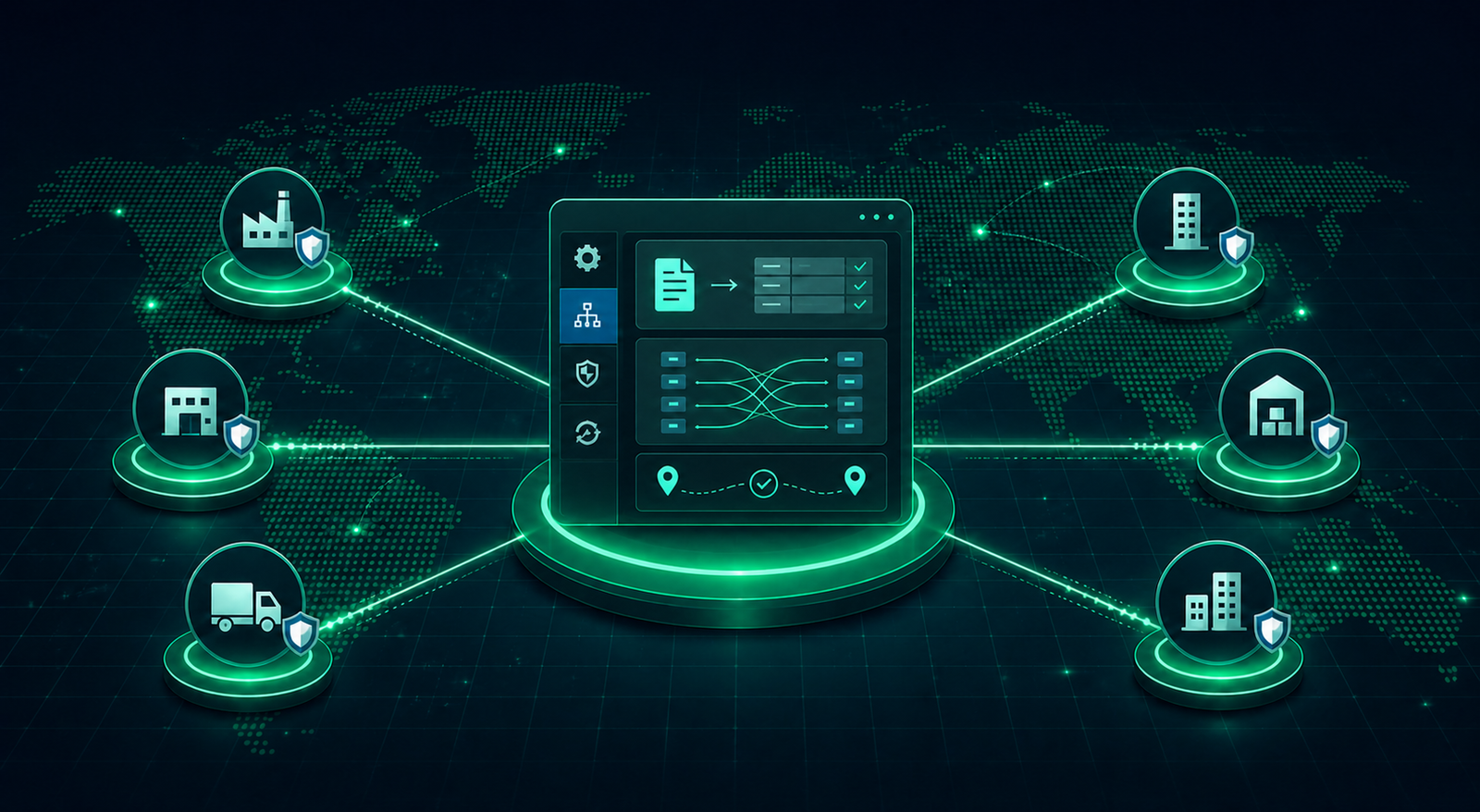
Learn how EDI trading partner configuration works, including sender IDs, receiver IDs, protocols, mappings, validation rules, and partner-specific settings.
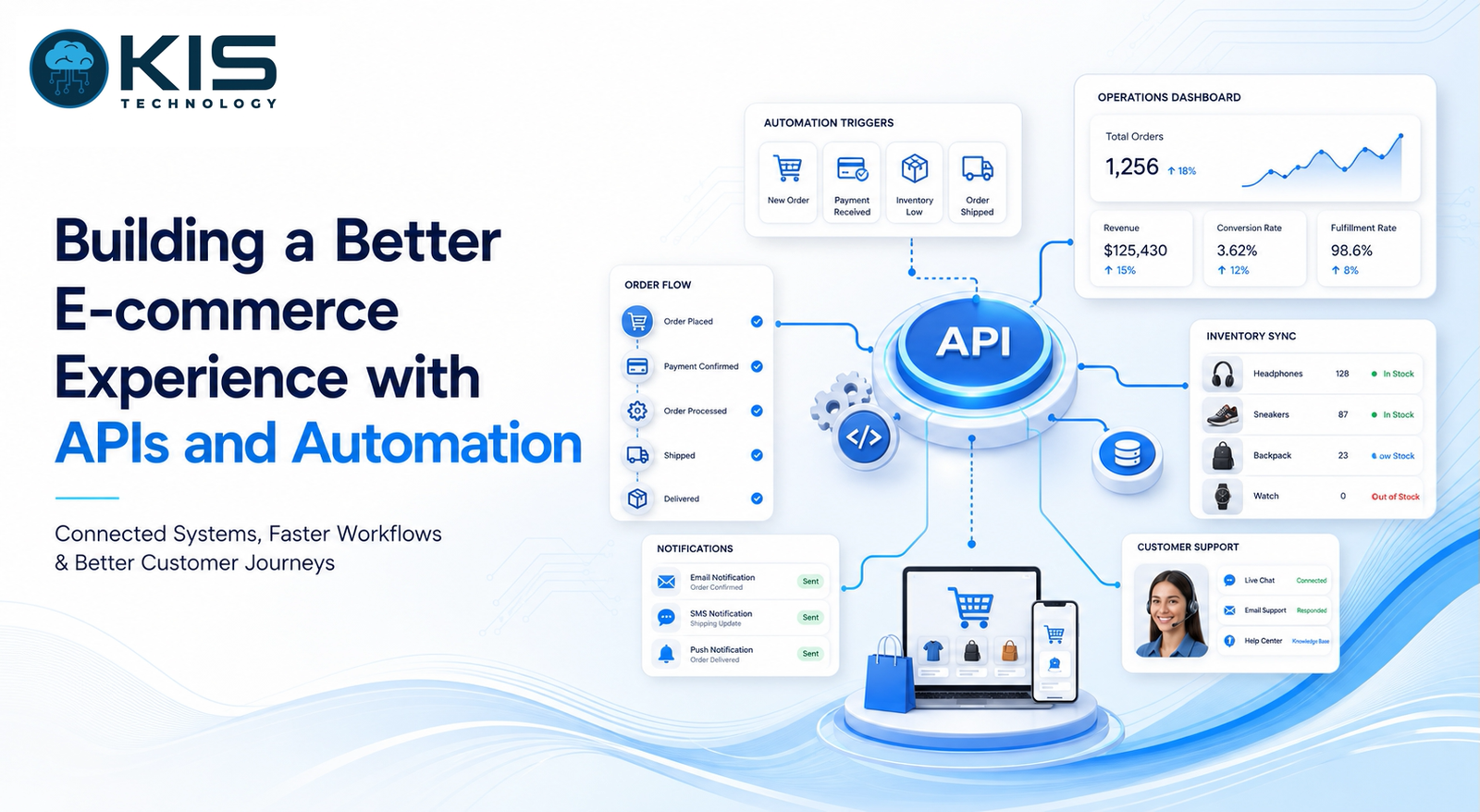
Learn how APIs and automation improve the E-commerce experience through faster operations, smoother integrations, better customer journeys, and scalable workflows.
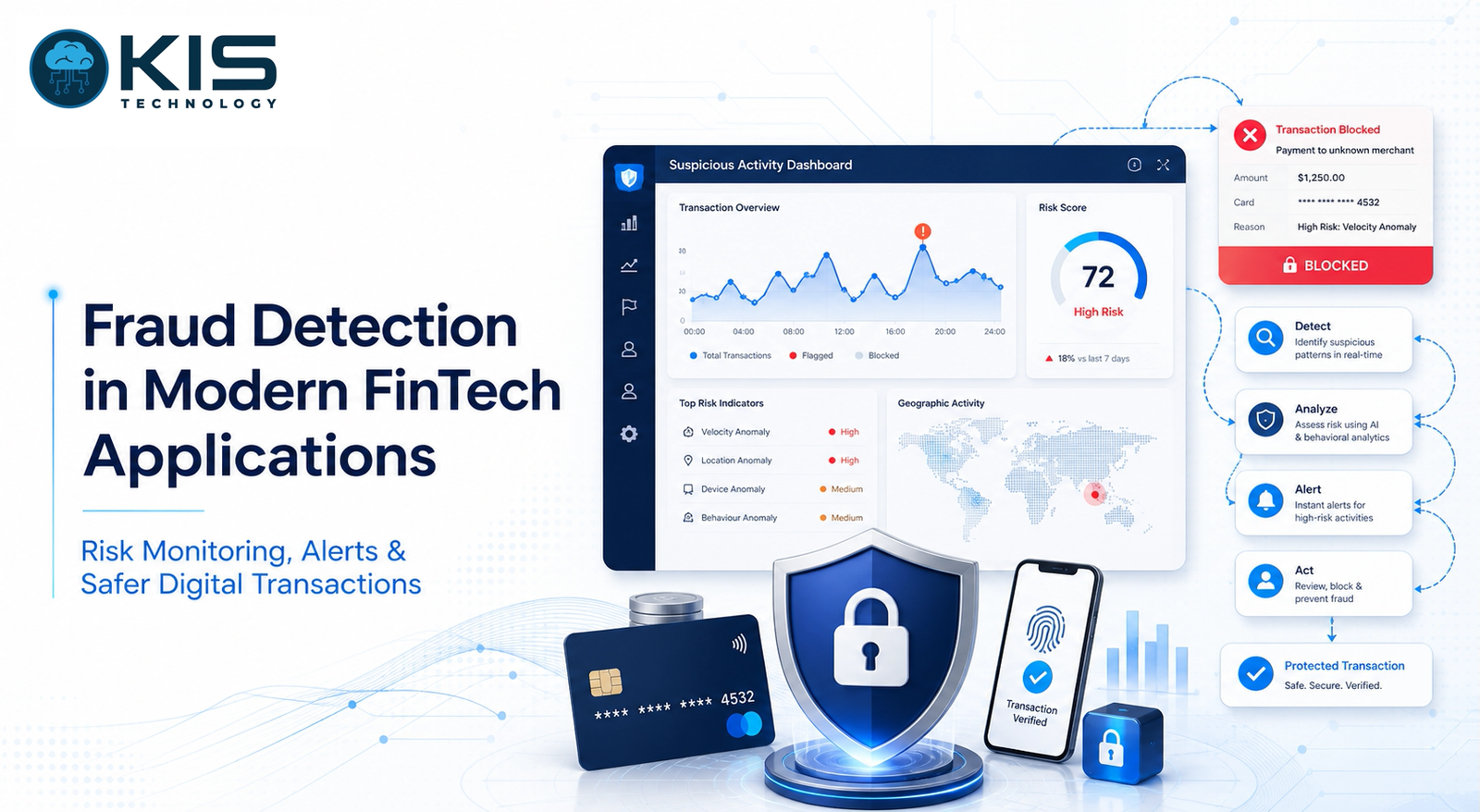
Learn how modern FinTech applications use fraud detection to monitor transactions, identify suspicious activity, reduce risk, and protect customer trust.
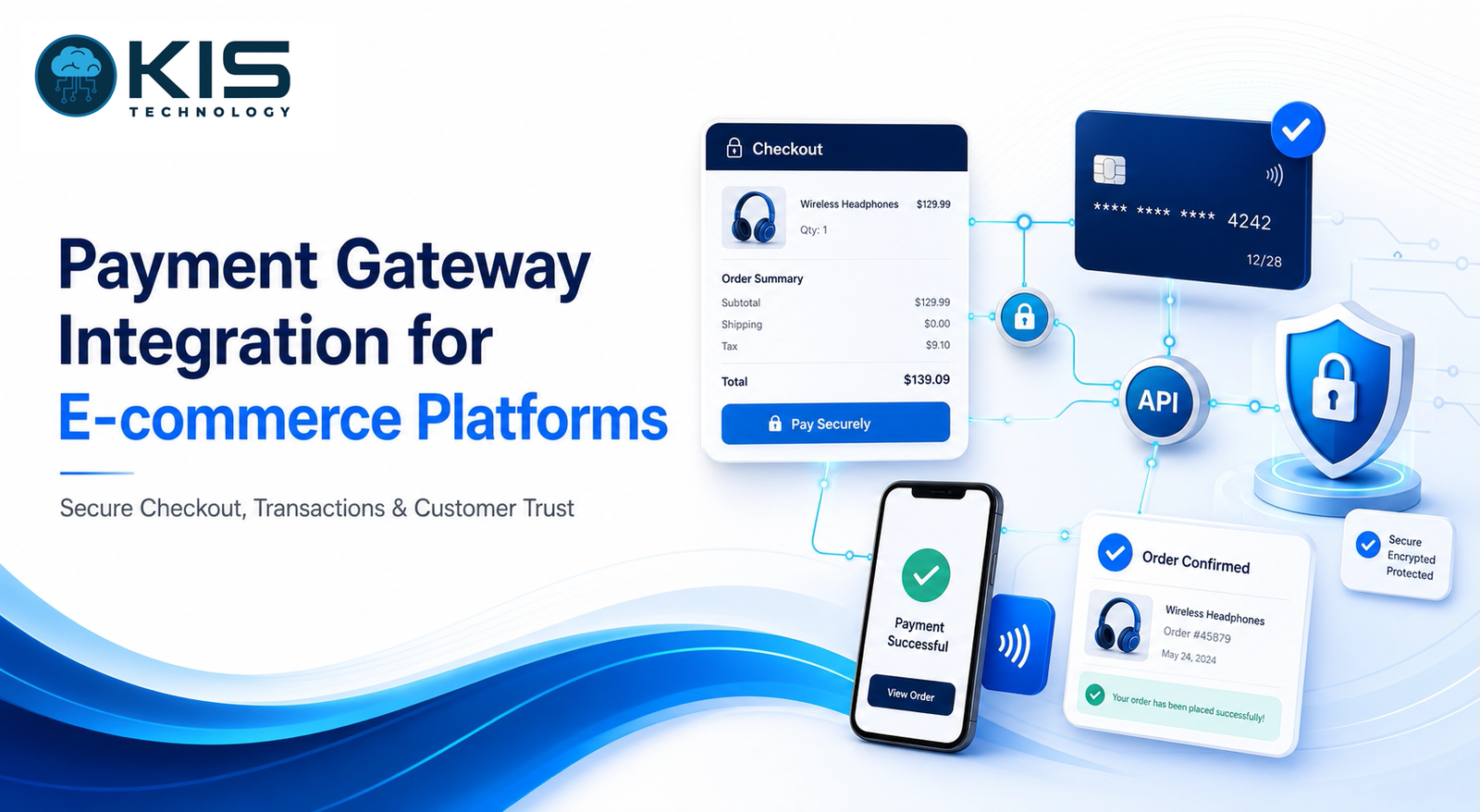
Learn why payment gateway integration matters for E-commerce platforms and how secure payments, transaction flows, callbacks, and customer trust support business growth.
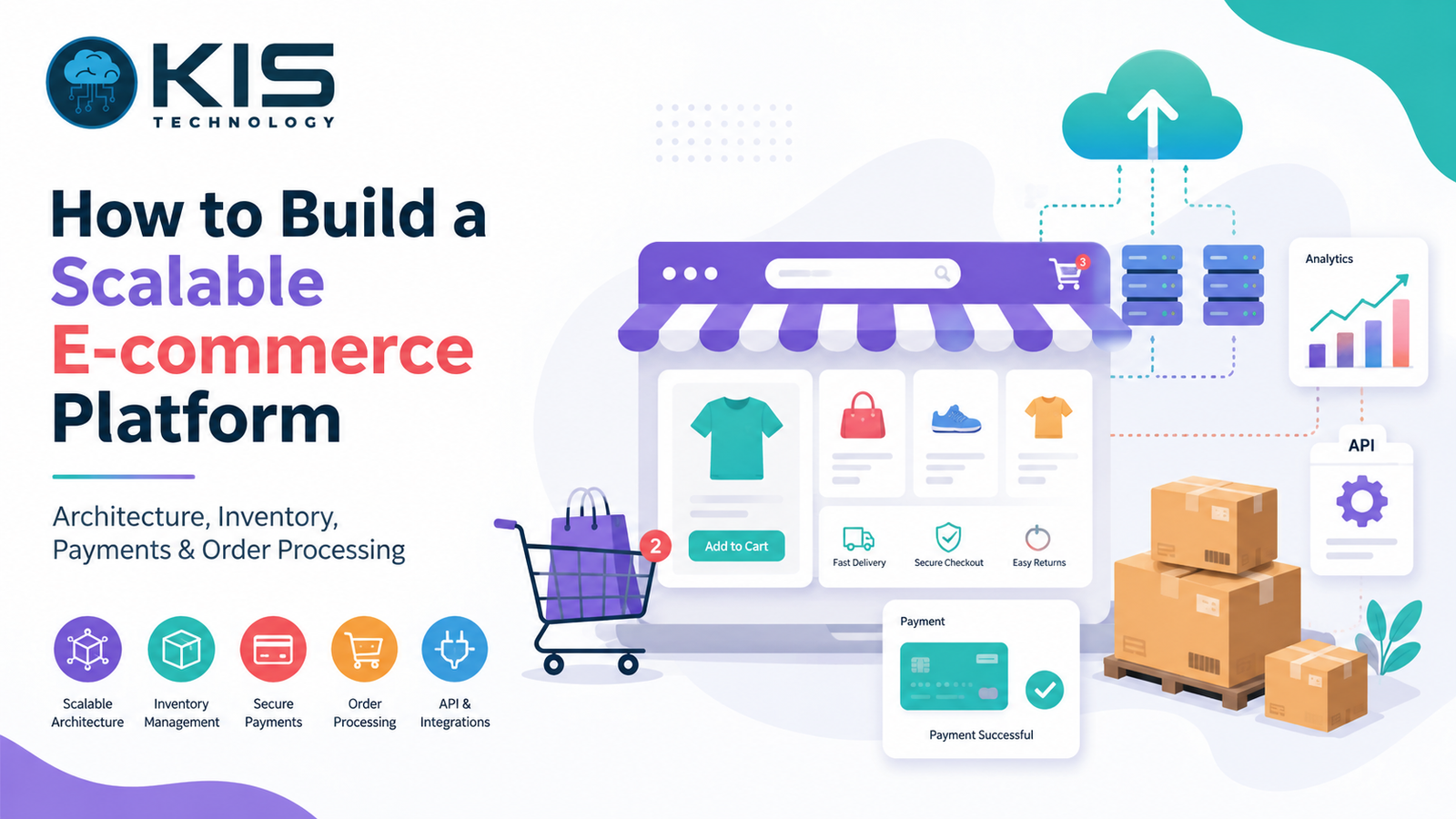
Learn how to build a scalable E-commerce platform with flexible architecture, product management, inventory, payments, caching, APIs, and reliable order processing.
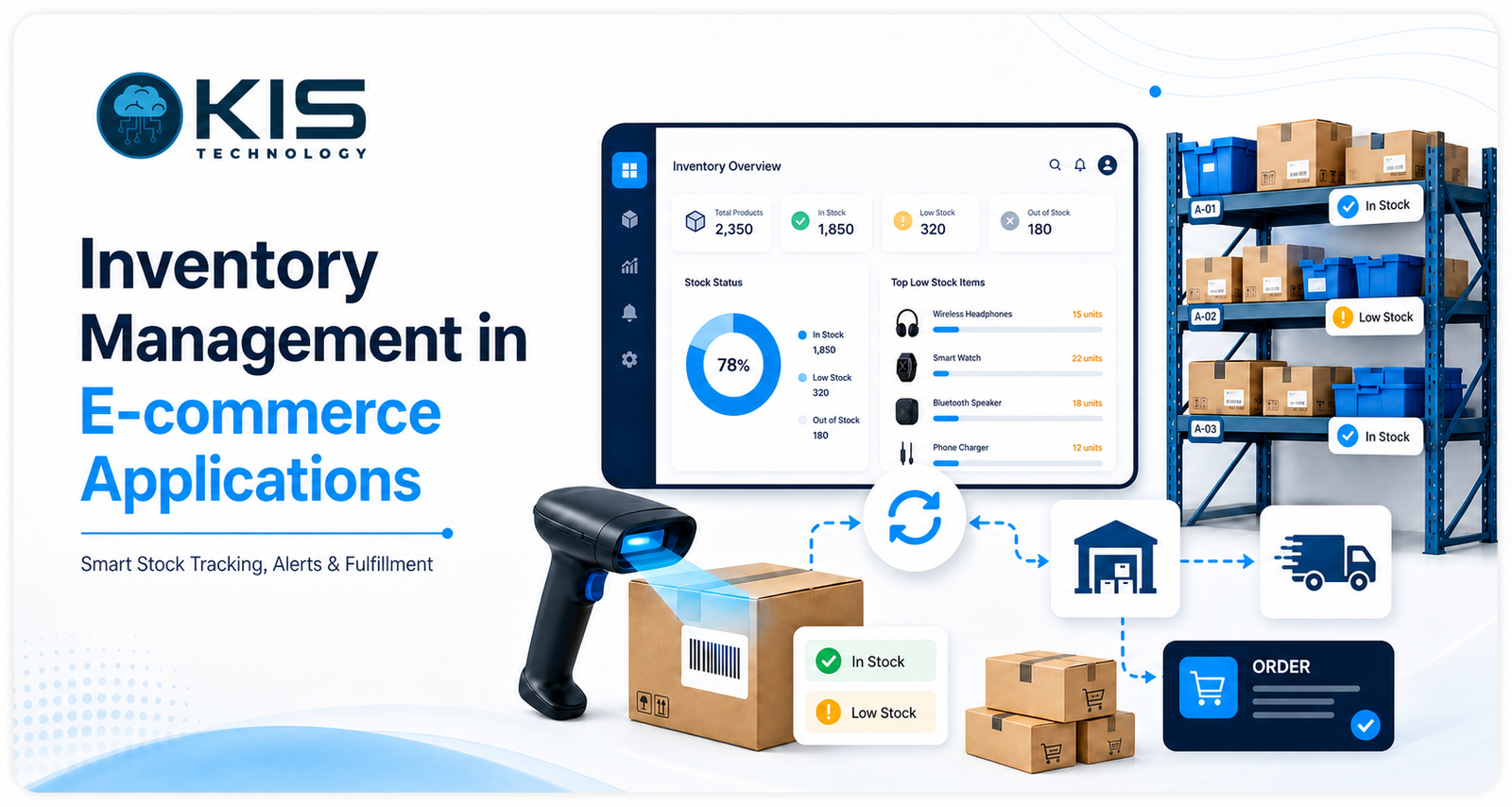
Learn why inventory management matters in E-commerce applications and how stock tracking, synchronization, alerts, and order workflows improve business performance.
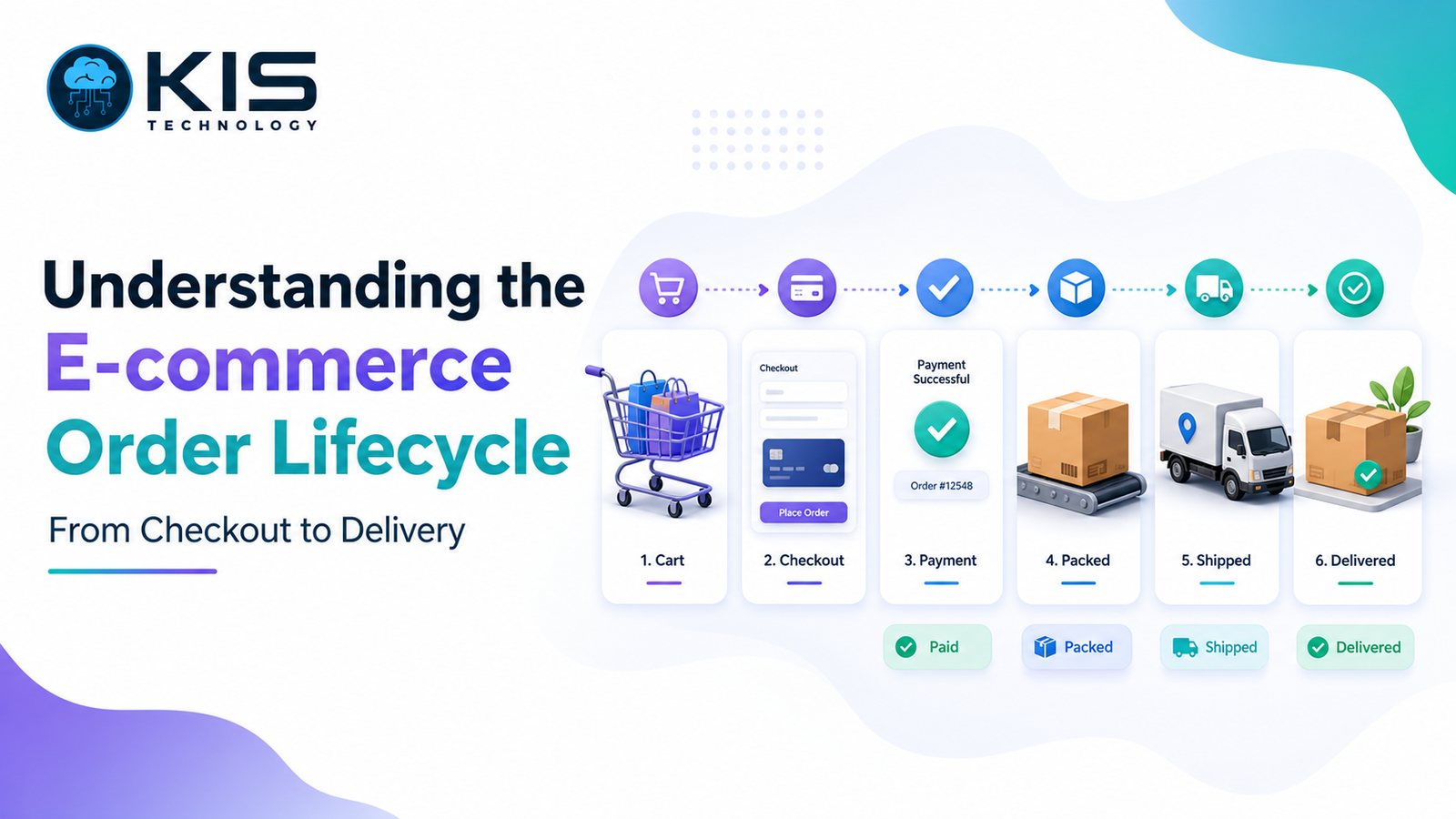
Learn how the E-commerce order lifecycle works, from cart and payment to fulfillment, shipping, delivery, and post-order updates.
Learn how to build reliable payment processing systems with transaction states, retries, idempotency, webhooks, reconciliation, monitoring, and secure API integration.
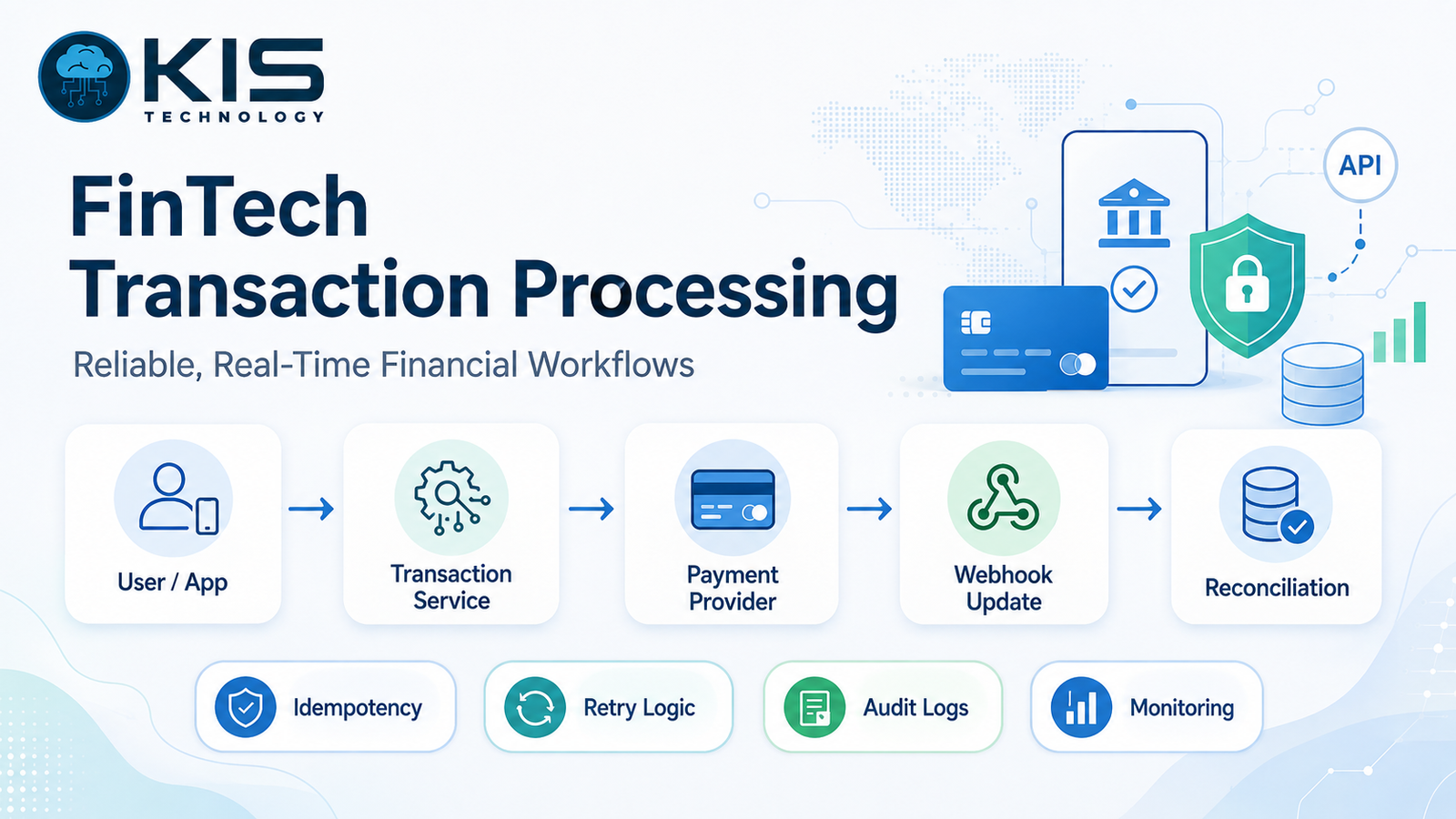
Learn how modern FinTech platforms handle real-time transactions using payment states, idempotency, retries, webhooks, reconciliation, audit logs, and monitoring.
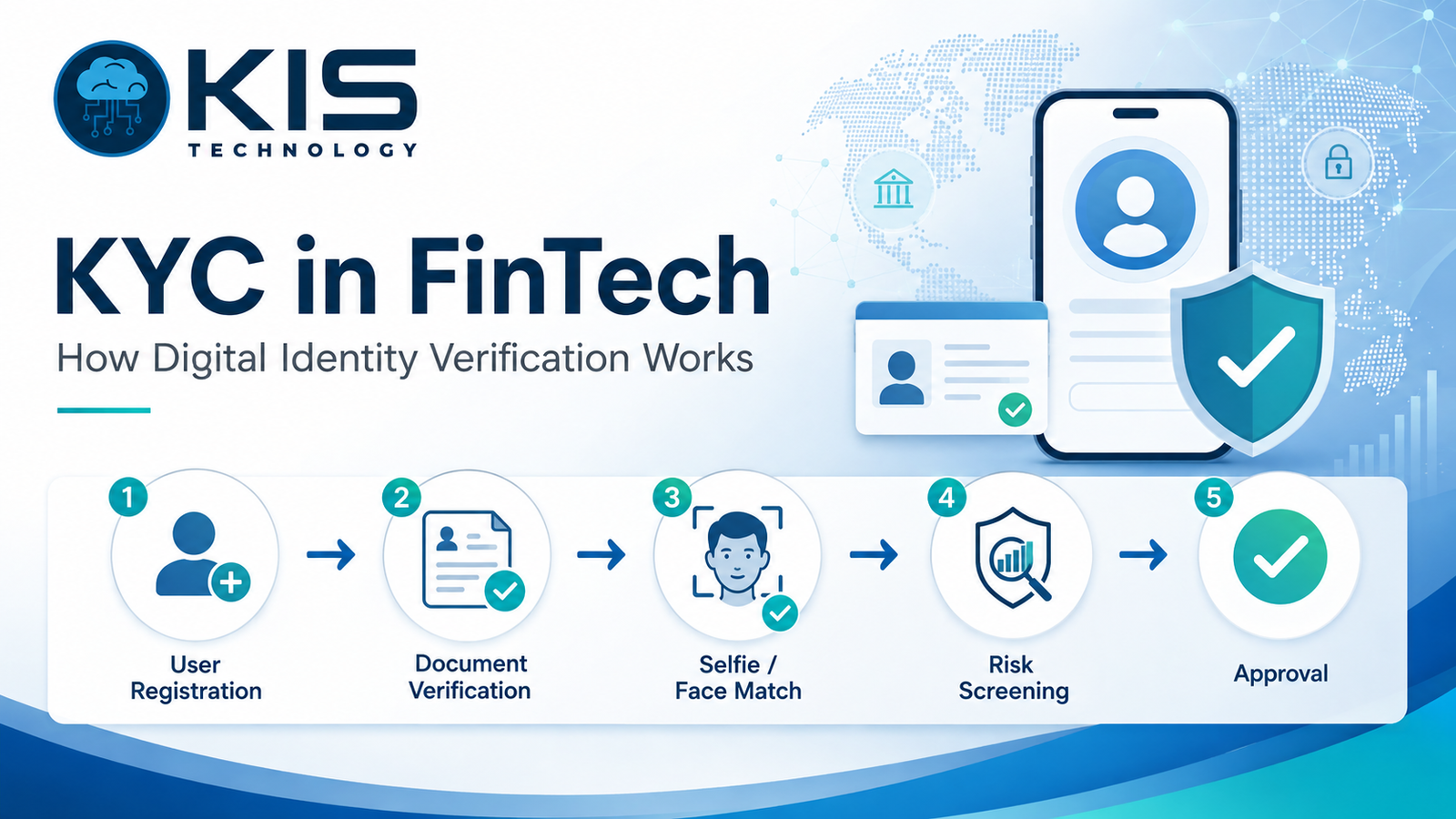
Learn how KYC works in FinTech, including digital identity verification, document checks, risk screening, compliance, and secure customer onboarding.
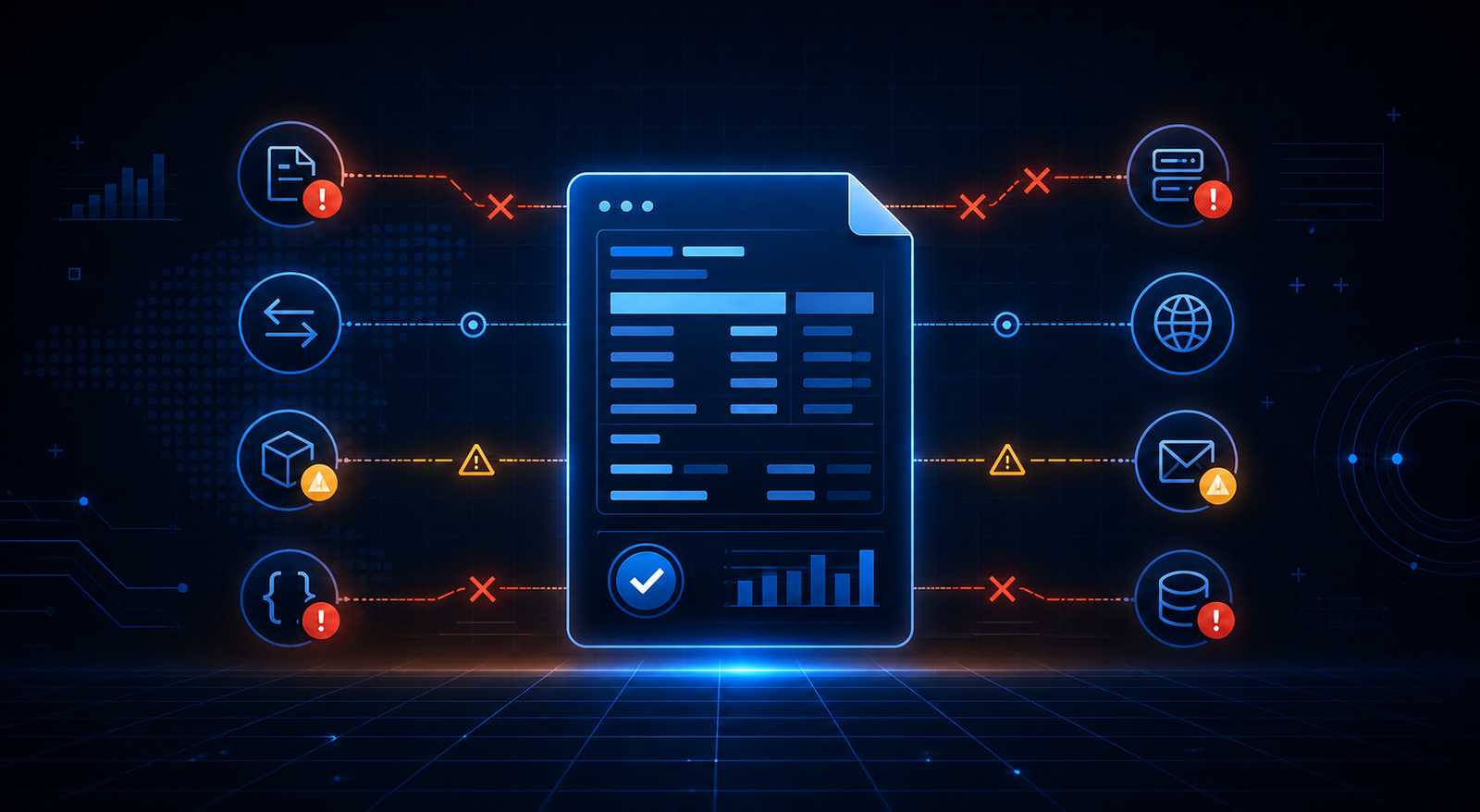
Discover 10 common EDI errors, what causes them, and how businesses can troubleshoot issues related to trading partners, validation, AS2, SFTP, and acknowledgments.
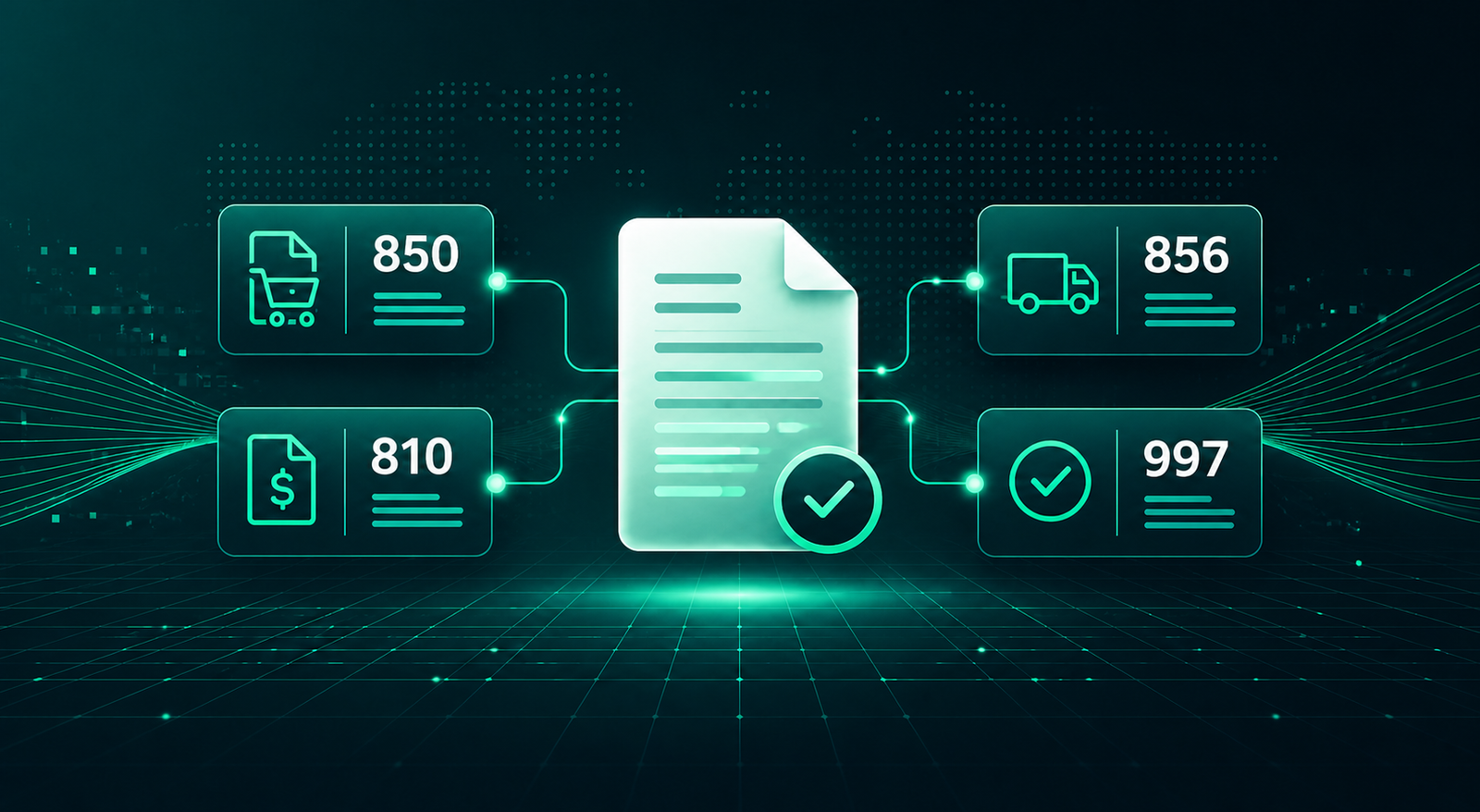
Learn what ANSI X12 is and how common EDI transactions like 850, 810, 856, and 997 work in real business communication.
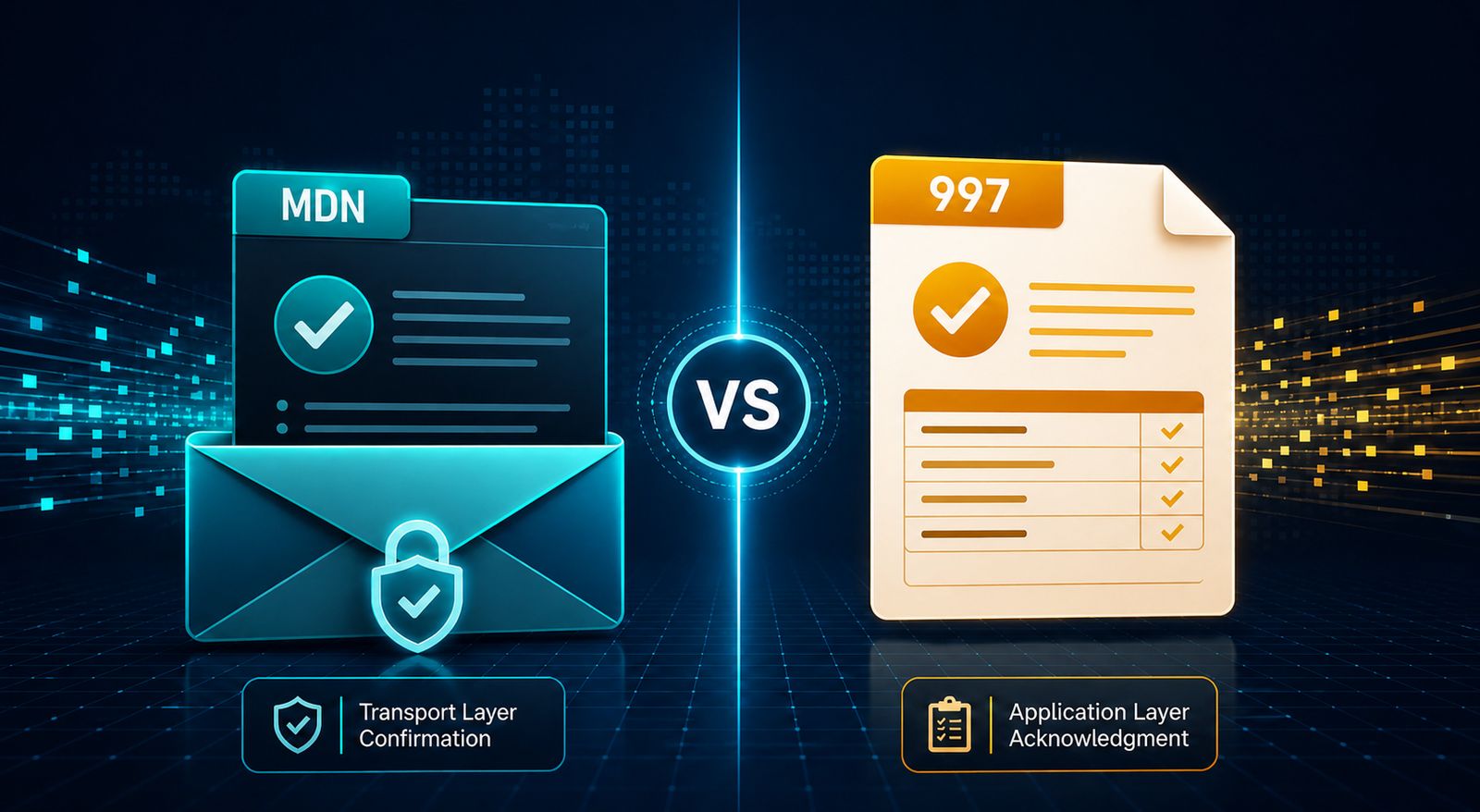
Learn the difference between an AS2 MDN and an EDI 997 acknowledgment, including what each one confirms and why both matter in EDI integrations.
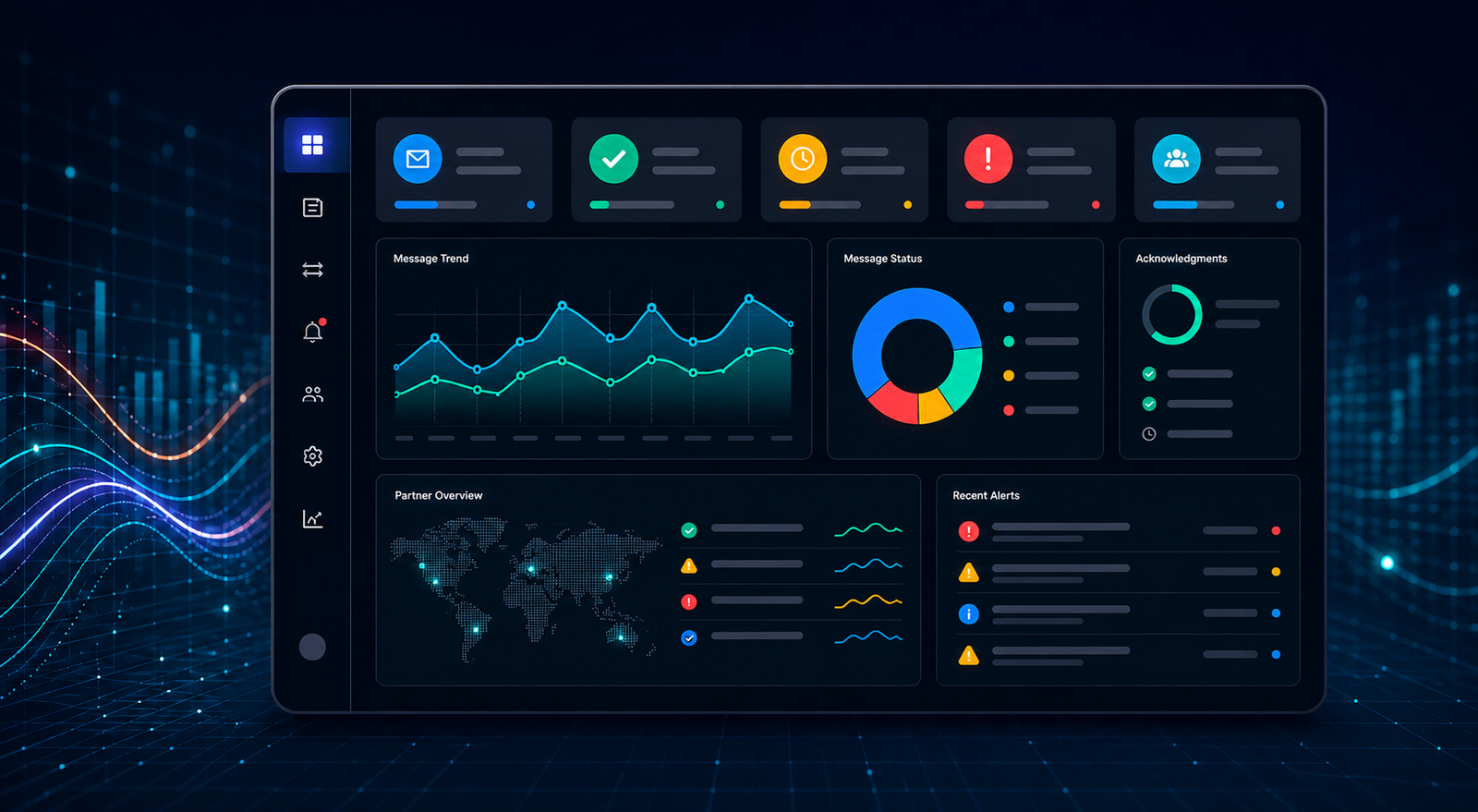
Learn which features matter most in an EDI monitoring dashboard, from message status and acknowledgments to errors, retries, and trading partner visibility.
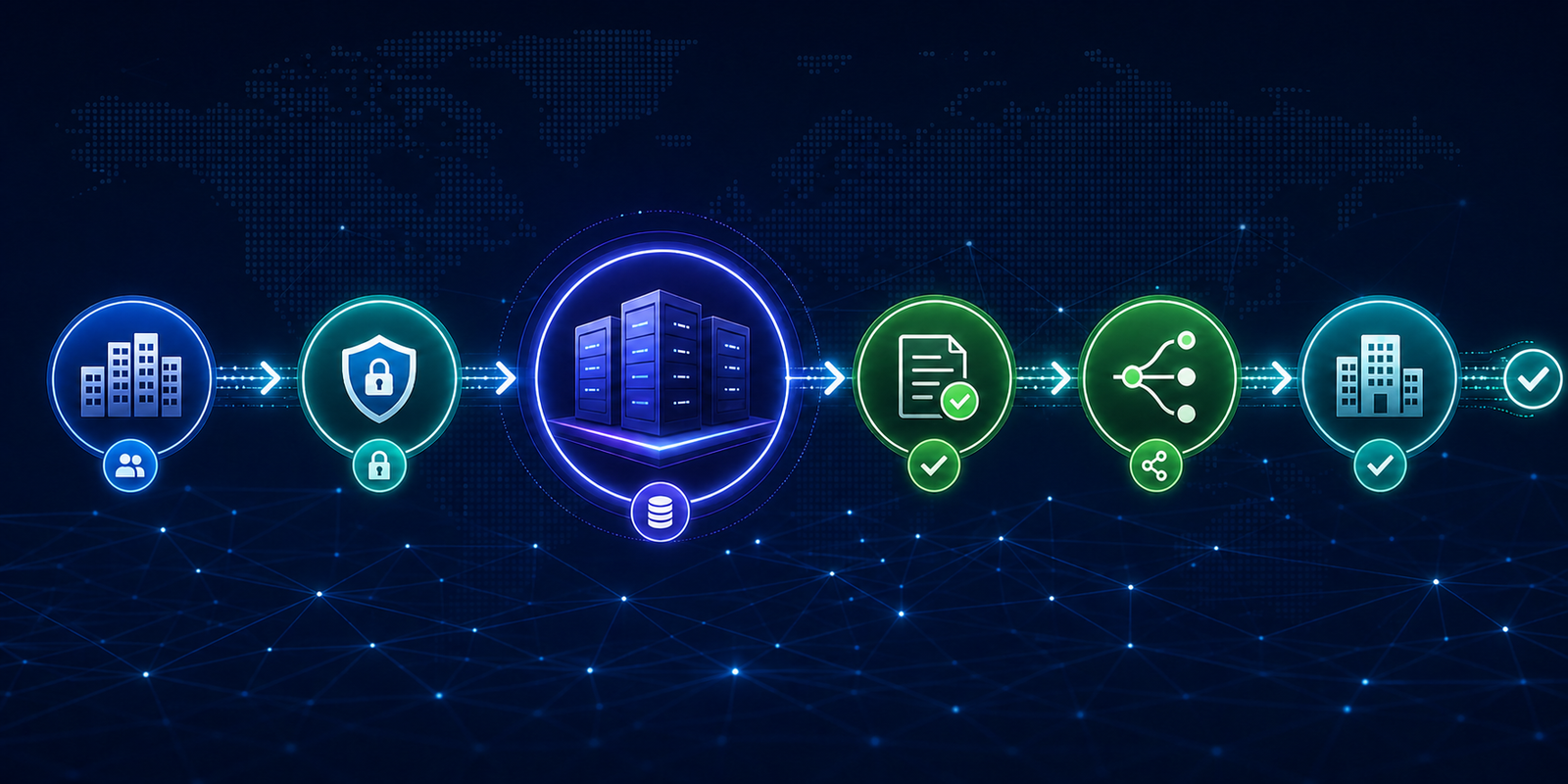
Learn how a complete EDI message flow works from trading partner communication to validation, processing, and acknowledgments like MDN and 997.
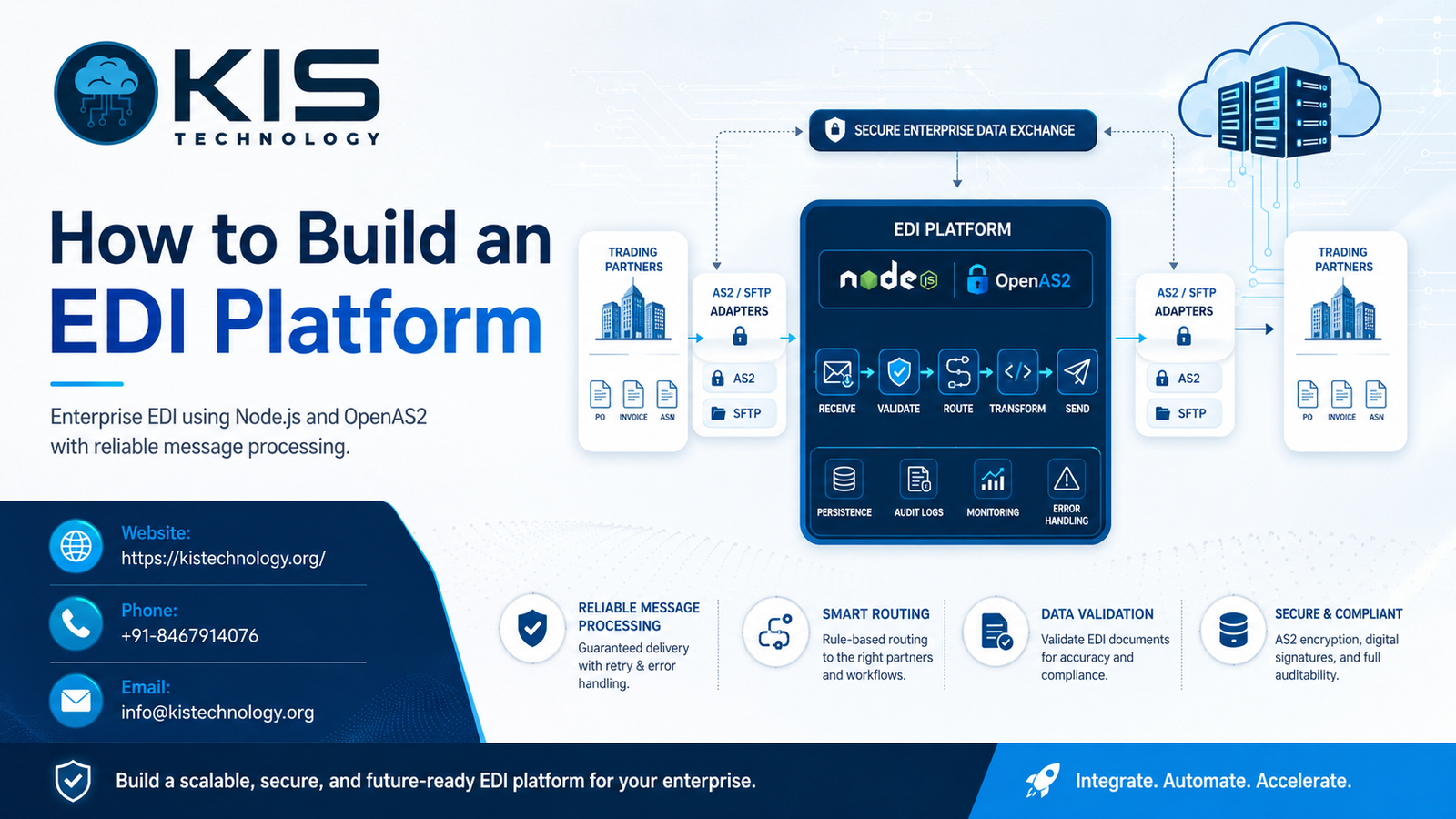
Learn how Electronic Data Interchange works in the USA, including ANSI X12 transactions, AS2, SFTP, trading partners, acknowledgements, and enterprise EDI processing.
Key considerations for building secure, scalable, and reliable FinTech applications with modern technology.