How EDI Trading Partner Configuration Works
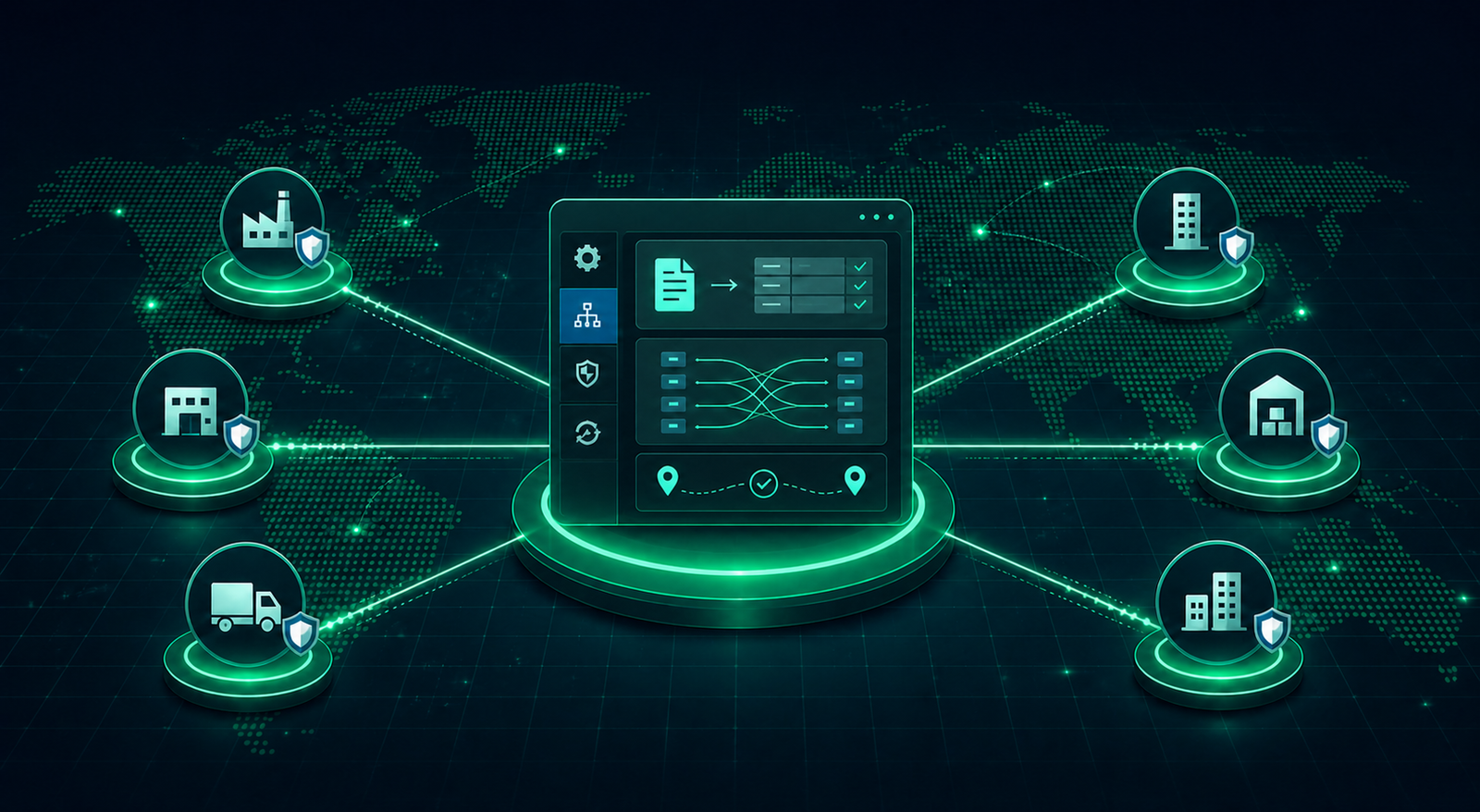
Trading partner configuration is one of the most important parts of any EDI platform. Without correct partner setup, even a valid EDI document may fail to route, validate, or process correctly.
Every business exchanging EDI documents needs a structured way to manage partner-specific communication and transaction rules.
What Is a Trading Partner in EDI?
A trading partner is an organization that exchanges EDI documents with another organization.
Examples include:
- Retailers
- Suppliers
- Warehouses
- Logistics providers
- Distributors
- Healthcare organizations
Each trading partner may have its own document requirements, protocol settings, and validation rules.
Why Trading Partner Configuration Matters
EDI is not only about document format. It is also about matching each document to the correct partner profile.
This matters because different partners may use:
- Different sender and receiver IDs
- Different transaction types
- Different AS2 settings
- Different SFTP folders
- Different mapping rules
- Different acknowledgment requirements
A well-structured configuration model keeps these differences manageable.
Common Elements of Trading Partner Configuration
Most EDI platforms store trading partner settings such as:
- Partner name and code
- Sender ID
- Receiver ID
- Supported document types
- Protocol type such as AS2 or SFTP
- Endpoint or folder details
- Certificates or credentials
- Validation rules
- Mapping rules
- Acknowledgment preferences
These settings help the platform decide how to receive, validate, route, and send documents for each partner.
Sender and Receiver Identification
When an EDI file arrives, the system usually uses sender and receiver information to identify the correct partner configuration.
This may come from:
- ISA/GS envelope values
- AS2 identifiers
- SFTP source location
- Partner-specific endpoints
If this identification step fails, the message may not be processed correctly.
Partner-Specific Mappings
Even when two partners both use ANSI X12, they may still have different business expectations.
For example:
- One partner may require extra reference segments
- Another may expect a different item identifier
- A warehouse partner may require a specific shipment structure
This is why EDI platforms often maintain partner-specific mapping and transformation logic.
Protocol Configuration
Trading partner setup also includes communication details.
AS2 Configuration
AS2 setup may include:
- AS2 ID
- Target URL
- Signing certificate
- Encryption certificate
- MDN settings
SFTP Configuration
SFTP setup may include:
- Host and port
- Username or SSH key
- Inbound and outbound folders
- Polling schedule
These settings allow the system to exchange documents securely with each partner.
Validation and Acknowledgment Rules
Some partners require specific validation rules or acknowledgments.
Examples include:
- Required transaction types
- Envelope constraints
- 997 acknowledgment expectations
- Partner-specific segment requirements
These rules help reduce processing failures and improve transaction consistency.
Best Practices for Managing Trading Partners
Businesses should aim for a centralized and maintainable trading partner model.
Best practices include:
- Keeping partner setup version-controlled
- Separating communication and business rules
- Logging changes to partner configuration
- Testing partner profiles before go-live
- Monitoring partner-specific failures
This makes onboarding and support much easier over time.
Conclusion
EDI trading partner configuration is the foundation of reliable B2B integration. It connects document structure, communication protocols, mappings, and acknowledgment rules into a usable operational model.
When businesses manage trading partner setup carefully, they can reduce errors, onboard partners faster, and build more stable EDI workflows.
Connect With Us
At KIS Technology, we help businesses transform their ideas into secure and scalable digital solutions through software development, API integration, and quality engineering.
Build smarter. Build securely. Build for growth.
Connect with our Founder: