IAM Explained: Why Identity Is the New Security Perimeter
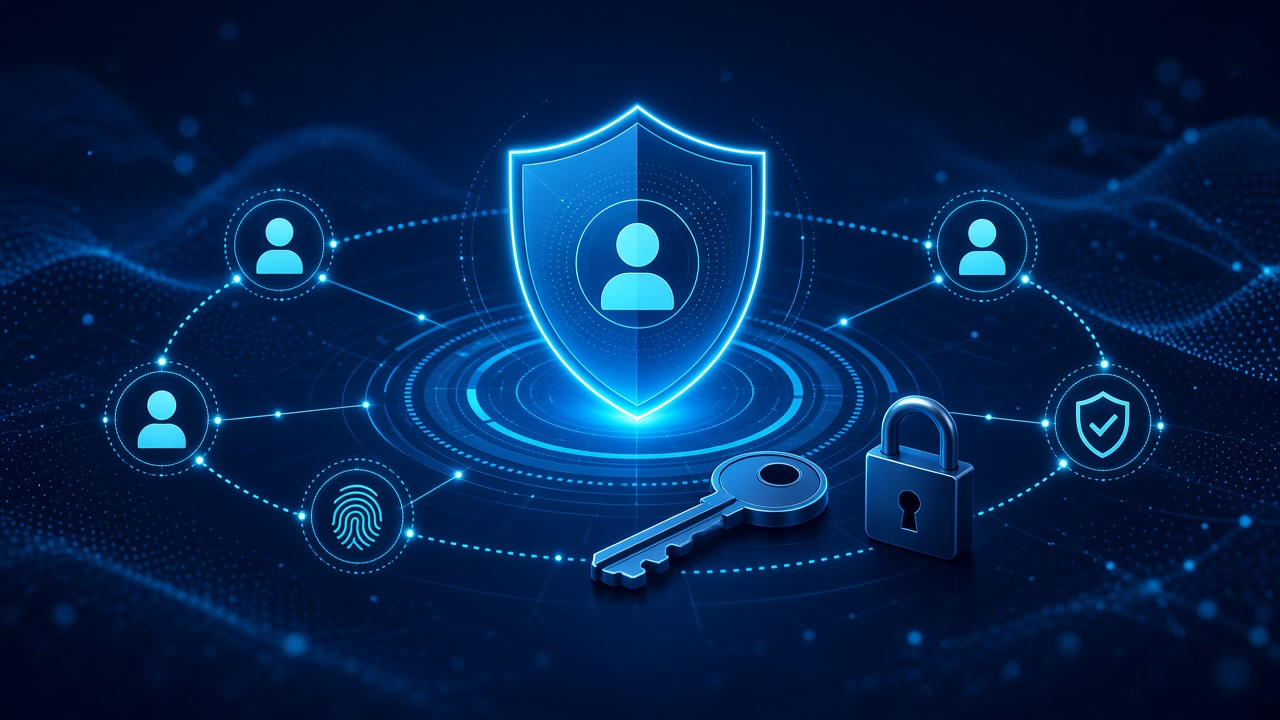
Firewalls used to mark the edge of a company. Today users, APIs, partners, and cloud workloads sit outside any single network. The question that matters most is no longer “Are they on the VPN?” It is “Who is this identity, and what may it do right now?”
That is why IAM—identity and access management—became the new security perimeter.
What IAM Covers
IAM is the set of controls that answer:
- Who or what is requesting access (human, service, device)
- How they prove it (password, MFA, certificate, federation)
- What they are allowed to do (roles, policies, scopes)
- How long that access lasts
- How access is reviewed, revoked, and audited
If identity is weak, every other control sits on sand.
Why the Old Perimeter Broke Down
Modern products depend on:
- Remote employees and contractors
- SaaS tools outside the corporate network
- Cloud APIs reached from many regions
- Mobile apps and partner integrations
- Microservices that call each other with machine identities
A flat “inside = trusted” model fails when “inside” no longer exists. Attackers target credentials, session tokens, and over-privileged service accounts because those open the same doors a VPN once did.
Core Building Blocks
Authentication
Prove the identity. Prefer SSO with a strong IdP, MFA for humans, and short-lived credentials for services.
Authorization
Decide the action. Use roles for job functions and finer policies for tenant, resource, and context.
Lifecycle
Joiners, movers, leavers. Provision access when work starts; remove it when work ends. Stale accounts are a common breach path.
Privileged access
Admin paths need extra friction: just-in-time elevation, session recording, and separate break-glass accounts.
Audit
Every grant, deny, login, and elevation should leave a trail that security and compliance can read.
Identity as Perimeter in Practice
A zero-trust style approach treats every request as untrusted until identity and policy pass:
Request arrives
    ↓
Authenticate identity
    ↓
Check device / session risk (when available)
    ↓
Authorize action for this resource and tenant
    ↓
Allow with least privilege, expire soon
Network controls still matter. They are no longer enough alone.
Common IAM Mistakes
- Shared admin passwords in chat tools
- Long-lived API keys baked into code
- One role that can do everything in production
- No offboarding checklist for contractors
- Trusting UI checks instead of enforcing authz in the API
- Ignoring machine identities while hardening only human login
Practical Checklist for Product Teams
- Centralize identity with SSO where possible
- Enforce MFA for all privileged and remote access
- Separate human and workload identities
- Scope tokens tightly; rotate secrets automatically
- Enforce tenant and resource checks in the backend
- Review access quarterly, especially for production admins
- Alert on impossible travel, new device + high privilege, and mass permission changes
Conclusion
Identity is the control plane of modern security. Networks still help contain damage, but authentication, authorization, and lifecycle decide whether an attacker who steals one credential can reach customer money and data. Treat IAM as product infrastructure, not an afterthought form for login screens.
Connect With Us
At KIS Technology, we help businesses transform their ideas into secure and scalable digital solutions through software development, API integration, and quality engineering.
Build smarter. Build securely. Build for growth.
Connect with our Founder: